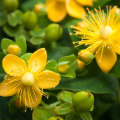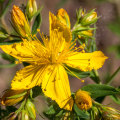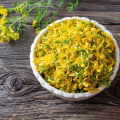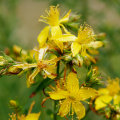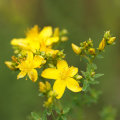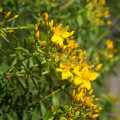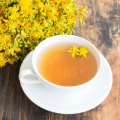
St. John's Wort, scientifically known as Hypericum perforatum, is a flowering plant that has been utilized for centuries in traditional medicine. Its bright yellow flowers and distinctive leaves have made it a recognizable herb, often associated with natural remedies for various ailments. Historically, this herb has roots in ancient Greek and Roman practices, where it was employed to treat wounds and alleviate symptoms of mental health disorders.
Today, it is primarily known for its potential benefits in managing depression and anxiety, making it a popular choice among those seeking alternative therapies.The active compounds in St. John's Wort, particularly hypericin and hyperforin, are believed to play a crucial role in its therapeutic effects. These compounds are thought to influence neurotransmitter activity in the brain, particularly serotonin, which is often referred to as the "feel-good" hormone. This mechanism has led to its widespread use as a natural antidepressant, with many individuals turning to it as a supplement to enhance their mood and overall emotional well-being.Despite its popularity, understanding the full scope of St.
John's Wort's benefits and risks is essential before considering its use. While many users report positive outcomes, scientific studies have produced mixed results regarding its efficacy and safety. Additionally, potential interactions with prescription medications raise important questions about its suitability for everyone. As we delve deeper into the world of St.
John's Wort, we will explore not only its historical significance and traditional uses but also the contemporary research surrounding its benefits and the precautions necessary for safe consumption.
The Benefits of St. John's Wort
St. John's Wort, scientifically known as Hypericum perforatum, has been utilized for centuries as a natural remedy for various health issues, particularly in the realm of mental health. Its most notable benefit lies in its potential effectiveness in treating depression and anxiety disorders.Research indicates that St.John's Wort may be as effective as some conventional antidepressants, particularly for mild to moderate depression. The herb is believed to work by increasing the levels of neurotransmitters such as serotonin, dopamine, and norepinephrine in the brain, which are crucial for regulating mood. This mechanism is similar to how selective serotonin reuptake inhibitors (SSRIs) function, making St. John's Wort a popular alternative for those seeking natural treatment options.In addition to its antidepressant properties, St.
John's Wort has been shown to provide several other health benefits, including:
- Anxiety Relief: Many individuals report reduced feelings of anxiety when using St. John's Wort, making it a potential option for those struggling with anxiety disorders.
- Anti-inflammatory Effects: The herb contains compounds that may help reduce inflammation in the body, which can be beneficial for conditions like arthritis.
- Improved Sleep Quality: Some users have found that St. John's Wort helps improve sleep patterns, particularly when anxiety or depression disrupts their ability to rest.
- Support for Seasonal Affective Disorder (SAD): Due to its mood-enhancing properties, St. John's Wort may be particularly effective for individuals suffering from SAD, a type of depression that occurs during specific seasons.
John's Wort are promising, it is essential to approach its use with caution. Individuals considering this herbal supplement should consult with a healthcare professional, especially if they are currently taking other medications. This is crucial because St. John's Wort can interact with various drugs, potentially diminishing their effectiveness or causing adverse effects.In summary, the health benefits of St.
John's Wort are significant, particularly regarding its role in alleviating symptoms of depression and anxiety. However, thorough consultation with a healthcare provider is recommended to ensure safe and effective use.
How St. John's Wort Works in the Body
St. John's Wort, scientifically known as Hypericum perforatum, has been utilized for centuries as a natural remedy for various ailments, particularly mood disorders.Understanding how this herbal supplement works in the body is crucial for anyone considering its use. The primary mechanism of action involves its influence on neurotransmitters, which are chemical messengers that play a vital role in regulating mood and emotional well-being.One of the key components of St. John's Wort is hypericin, which is believed to inhibit the reuptake of neurotransmitters such as serotonin, dopamine, and norepinephrine. By preventing these neurotransmitters from being reabsorbed into the nerve cells, hypericin increases their availability in the synaptic cleft—the space between neurons.
This action is similar to that of many conventional antidepressants, which aim to enhance mood by increasing serotonin levels.In addition to hypericin, another important compound found in St. John's Wort is hyperforin. Research suggests that hyperforin may also contribute to the herb's antidepressant effects by modulating the activity of various neurotransmitter systems. It has been shown to enhance the release of serotonin and other neurotransmitters, further supporting mood regulation.Moreover, St.
John's Wort exhibits anti-inflammatory properties that may indirectly affect mood and mental health. Chronic inflammation has been linked to depression and anxiety disorders; thus, by reducing inflammation in the body, St. John's Wort may help alleviate some symptoms associated with these conditions.It is also worth noting that St. John's Wort can influence the body's hormonal balance.
Some studies indicate that it may affect cortisol levels, a hormone associated with stress response. By helping to regulate cortisol levels, St. John's Wort could potentially mitigate stress-related symptoms.However, while the mechanisms behind St. John's Wort's effects are promising, it is essential to approach its use with caution.
The interactions with other medications can complicate its efficacy and safety profile. Therefore, consulting with a healthcare professional before starting any new supplement regimen is highly recommended.
Potential Side Effects and Risks
While St. John's Wort is often praised for its potential benefits in managing conditions like depression and anxiety, it is crucial to be aware of the potential side effects and risks associated with its use. Understanding these factors can help individuals make informed decisions about whether to incorporate this herbal supplement into their health regimen.One of the most commonly reported side effects of St.John's Wort is gastrointestinal discomfort. Users may experience symptoms such as nausea, diarrhea, or stomach cramps. These effects can vary in intensity and may be more pronounced in individuals who are sensitive to herbal supplements.Another significant concern is the potential for allergic reactions. Some individuals may develop skin rashes, itching, or other allergic responses after taking St.
John's Wort. If you notice any unusual skin reactions, it is advisable to discontinue use and consult a healthcare professional.
Sun Sensitivity
St. John's Wort has been linked to increased sensitivity to sunlight, a condition known as photosensitivity. This means that individuals taking the supplement may be more prone to sunburns or skin rashes when exposed to sunlight.It is essential for users to apply sunscreen and wear protective clothing when spending time outdoors.
Drug Interactions
One of the most critical safety concerns regarding St. John's Wort involves its potential interactions with various medications. The supplement can affect how the body metabolizes certain drugs, leading to decreased effectiveness or increased side effects. For instance:- Antidepressants: Combining St.
John's Wort with other antidepressants can lead to a dangerous condition known as serotonin syndrome, which can cause symptoms like confusion, rapid heart rate, and high blood pressure.
- Birth Control Pills: The efficacy of hormonal contraceptives may be reduced when taken alongside St. John's Wort, increasing the risk of unintended pregnancy.
- Blood Thinners: Users on anticoagulant medications should exercise caution, as St. John's Wort may alter their effectiveness.
This step ensures that any risks can be adequately managed and that the individual’s health remains a priority.In conclusion, while St. John's Wort may offer benefits for some individuals, it is essential to weigh these against the possible side effects and risks. Consulting with a healthcare professional before starting any new supplement is always recommended to ensure safety and efficacy.
Drug Interactions with St. John's Wort, a popular herbal remedy, is known for its potential benefits in managing mood disorders, particularly depression and anxiety.
However, it is crucial to understand that this supplement can significantly interact with various medications, leading to potentially serious consequences. Users must be aware of these interactions to make informed decisions about their health.
Understanding Drug Interactions
Drug interactions occur when one substance affects the activity of another when both are administered together. John's Wort is particularly notorious for its ability to induce certain liver enzymes, specifically cytochrome P450 enzymes, which play a vital role in drug metabolism. This induction can lead to decreased effectiveness of various medications.
Medications Affected by St.
John's Wort
- Antidepressants: Combining St. John's Wort with other antidepressants can lead to serotonin syndrome, a potentially life-threatening condition characterized by excessive serotonin levels in the brain.
- Birth Control Pills: The efficacy of hormonal contraceptives may be reduced when taken alongside St. John's Wort due to its effect on estrogen metabolism.
- Anticoagulants: Medications like warfarin may have altered effects, increasing the risk of clotting or bleeding complications.
- Immunosuppressants: Drugs such as ciclosporin, used post-organ transplant, may become less effective, increasing the risk of organ rejection.
- Antiretrovirals: St. John's Wort can reduce the effectiveness of medications used to treat HIV, potentially leading to treatment failure.
- Cardiovascular Medications: Drugs like digoxin may have altered absorption and effectiveness when taken with St.
John's Wort.
Contraindications and Precautions
Given the potential for significant drug interactions, it is essential for individuals considering St. John's Wort to consult with a healthcare provider, especially if they are currently taking any prescription medications. A thorough review of all medications can help identify possible interactions and allow for appropriate adjustments or alternative treatments.In summary, while St. John's Wort may offer benefits for some individuals dealing with mood disorders, its interactions with various medications cannot be overlooked.
Understanding these interactions is vital for ensuring safety and efficacy in treatment regimens.
Who Should Avoid St. John's Wort?
While St. John's Wort is often praised for its potential benefits, it is crucial to recognize that not everyone should consider using this herbal supplement. Certain groups of individuals may face increased risks or adverse effects, making it essential to consult a healthcare provider before starting treatment.1.Pregnant and Breastfeeding Women
Women who are pregnant or breastfeeding should exercise caution when considering St.
The effects of this herb on fetal development and nursing infants are not well-studied, and there is a potential risk of adverse effects. Therefore, it is advisable for these women to avoid St. John's Wort unless specifically recommended by a healthcare professional.
2.Individuals Taking Prescription Medications
St. John's Wort is known to interact with various medications, which can lead to reduced effectiveness or increased side effects.
Those taking medications such as:
- Antidepressants (SSRIs, SNRIs)
- Birth control pills
- Blood thinners (e.g., warfarin)
- Immunosuppressants (e.g., ciclosporin)
- Antiretroviral drugs for HIV
3.Individuals with Bipolar Disorder
For those diagnosed with bipolar disorder, St. John's Wort may not be suitable. There is a risk that it could trigger manic episodes in individuals with this condition, leading to destabilization of mood and worsening symptoms.
4.People with Photosensitivity
This herbal supplement can increase sensitivity to sunlight, making individuals more prone to sunburns and skin rashes.
Those with conditions that already cause photosensitivity or individuals who are on medications that increase sun sensitivity should avoid St. John's Wort or take precautions such as wearing sunscreen and protective clothing.
5.Individuals with Liver Conditions
St. John's Wort can affect liver enzymes responsible for metabolizing various substances in the body. People with liver diseases or conditions affecting liver function should avoid this supplement due to the potential for exacerbating their condition.
6.Children and Adolescents
The safety and efficacy of St.
John's Wort in children and adolescents have not been thoroughly studied. Therefore, it is generally recommended that young individuals refrain from using this supplement unless under strict medical supervision.In summary, while St. John's Wort may offer benefits for some individuals, it is essential to consider these contraindications and precautions seriously. Consulting a healthcare provider can help ensure safe use and prevent potential complications.
Consulting with Healthcare Professionals
Before incorporating St.John's Wort into your health regimen, it is crucial to consult with a healthcare professional. This step is essential for ensuring both safety and efficacy, particularly given the potential interactions this herbal supplement can have with various medications and health conditions.
Understanding Your Health Background
Every individual has a unique health profile, which includes pre-existing conditions, current medications, and overall wellness. A healthcare provider can assess your specific situation and determine whether St. John's Wort is appropriate for you.
For instance, if you are currently taking medications for depression, anxiety, or other mental health issues, your doctor can evaluate how St. John's Wort might interact with these treatments.
Discussing Medication Interactions
St. John's Wort is known to interact with a variety of medications, including antidepressants, birth control pills, and anticoagulants. These interactions can lead to reduced effectiveness of prescribed treatments or increased side effects.
By discussing your current medications with your doctor, you can gain insights into potential risks and make informed decisions about using St. John's Wort.
Evaluating Mental Health Needs
If you are considering St. John's Wort for mental health support, it is vital to have an open dialogue with your healthcare provider about your symptoms and treatment goals. They can help you weigh the benefits against the risks and suggest alternative therapies if necessary.
Monitoring Side Effects
Once you start taking St.
John's Wort, regular follow-ups with your healthcare provider are advisable. This allows for monitoring any side effects or changes in your condition. If you experience increased sensitivity to sunlight or any other adverse reactions, your doctor can provide guidance on how to manage these issues effectively.
Conclusion
In summary, consulting with a healthcare professional before starting St. John's Wort is not just a precaution; it is a necessary step towards safe and effective use of this herbal supplement.
By engaging in this conversation, you empower yourself to make informed choices about your health and well-being.
Alternatives to St. John's Wort for Mood Support
For those seeking alternatives to St. John's Wort for mood support, there are several herbal supplements and natural therapies that may provide similar benefits without the associated risks. Here are some noteworthy options:- Rhodiola Rosea: This adaptogenic herb is known for its ability to enhance resilience to stress and improve mood.
Studies suggest that Rhodiola can help alleviate symptoms of depression and anxiety by balancing neurotransmitters in the brain.
- Chamomile: Often consumed as a tea, chamomile has calming properties that can help reduce anxiety and promote relaxation. Its mild sedative effects make it a popular choice for those looking to improve their mood naturally.
- Lemon Balm: This herb is part of the mint family and is known for its soothing effects. Research indicates that lemon balm can help reduce anxiety and improve sleep quality, which in turn can enhance overall mood.
- Passionflower: Traditionally used for its calming effects, passionflower may help alleviate symptoms of anxiety and depression. It works by increasing levels of gamma-aminobutyric acid (GABA) in the brain, which promotes relaxation.
- Saffron: Emerging research suggests that saffron may be effective in treating mild to moderate depression.
Its active compounds are believed to influence serotonin levels, contributing to improved mood.
- Regular Exercise: Physical activity releases endorphins, which are natural mood lifters. Engaging in regular exercise can significantly reduce symptoms of depression and anxiety.
- Meditation and Mindfulness: Practicing mindfulness or meditation can help individuals manage stress and improve emotional well-being. These techniques encourage a greater awareness of thoughts and feelings, promoting a more balanced mood.
- Adequate Sleep: Quality sleep is crucial for mental health. Establishing a regular sleep schedule and creating a restful environment can enhance mood stability.
By exploring these options, individuals can find effective ways to support their mood and mental health without the potential complications associated with St. John's Wort.
Frequently Asked Questions About St. John's Wort has garnered significant attention in recent years, leading to numerous questions and misconceptions about its use and effectiveness. Below are some of the most frequently asked questions regarding this herbal supplement.What is St.
John's Wort?
St. John's Wort
(Hypericum perforatum) is a flowering plant that has been used for centuries in traditional medicine, primarily for its potential antidepressant properties. It is commonly available in various forms, including capsules, tablets, teas, and topical ointments.
What are the primary benefits of St. John's Wort?
- Depression Relief: Many studies suggest that St.
John's Wort may be effective in alleviating mild to moderate depression symptoms.
- Anxiety Reduction: Some users report decreased anxiety levels when taking this herb.
- Anti-inflammatory Properties: St. John's Wort may also have anti-inflammatory effects, which can be beneficial for certain conditions.
Is St. John's Wort safe to use?
While many people tolerate St. John's Wort well, it is essential to consult with a healthcare provider before starting any new supplement, especially if you are taking other medications.This herb can interact with various drugs, potentially reducing their effectiveness or increasing side effects.
Can I take St. John's Wort with other medications?
No, it is crucial to discuss any potential interactions with your doctor. John's Wort can affect how your body metabolizes certain medications, including antidepressants, birth control pills, and anticoagulants.Are there any side effects associated with St. John's Wort?
Some individuals may experience side effects such as:- Increased sensitivity to sunlight
- Dizziness
- Gastrointestinal issues
- Fatigue
What are some common myths about St.
John's Wort?
- Myth: St. John's Wort is a cure-all for depression.
Fact: While it may help some individuals, it is not a substitute for professional medical treatment. - Myth: All herbal supplements are safe.
Fact: Herbal supplements can have side effects and interactions just like prescription medications.
Conclusion: Making Informed Decisions About St. John's Wort
In summary, the journey through the world of St.John's Wort reveals a complex interplay of potential benefits and risks. As we have explored, this herbal supplement has garnered attention for its possible effectiveness in alleviating symptoms of depression and anxiety. However, it is crucial to approach its use with caution and a well-informed mindset.One of the primary takeaways is the importance of consulting with a healthcare professional before incorporating St. John's Wort into your regimen.
This is particularly vital for individuals who are currently taking other medications, as the interactions can significantly alter the effectiveness of those treatments. For instance, medications such as antidepressants, birth control pills, and immunosuppressants can be affected by St. John's Wort, leading to unintended consequences.Moreover, while short-term use of St. John's Wort may be safe for many individuals, the long-term implications remain uncertain.
The lack of extensive research on prolonged use raises questions about its safety and efficacy over time. Therefore, it is essential to weigh the potential benefits against the risks involved.Additionally, awareness of side effects is paramount. Increased sensitivity to sunlight and gastrointestinal disturbances are among the common issues reported by users. Understanding these side effects can help individuals make more informed choices about their health.Ultimately, making an informed decision about St.
John's Wort involves:
- Researching: Stay updated on the latest studies regarding its benefits and risks.
- Consulting: Engage in open discussions with your healthcare provider about your health history and any medications you are taking.
- Monitoring: Keep track of any changes in your symptoms or side effects if you decide to use this supplement.