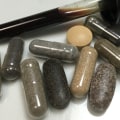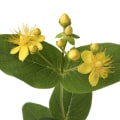
St. John's Wort, scientifically known as Hypericum perforatum, is a flowering plant that has been utilized for centuries in traditional medicine. Its historical roots can be traced back to ancient Greece, where it was employed for various ailments, including wounds and mental health issues. Today, this vibrant yellow flower has gained significant attention as a popular herbal supplement, particularly for its potential benefits in treating conditions such as depression and anxiety.
The growing interest in St. John's Wort reflects a broader trend towards natural remedies and holistic approaches to health.The primary active compounds in St. John's Wort, including hypericin and hyperforin, are believed to contribute to its therapeutic effects. These compounds are thought to influence neurotransmitter activity in the brain, particularly serotonin, which plays a crucial role in mood regulation.
As a result, many individuals seeking alternatives to conventional antidepressants have turned to St. John's Wort for relief from mild to moderate depression. However, while the benefits of St. John's Wort are well-documented, it is essential to understand the complexities surrounding its use, especially concerning potential interactions with other medications.As more people explore the advantages of herbal supplements like St.
John's Wort, it becomes increasingly important to educate oneself about both the benefits and risks associated with their long-term use. This includes understanding how St. John's Wort may interact with various medications, which can significantly impact treatment outcomes. By delving into the science behind this herb and its effects on mental health, we can better appreciate its role in contemporary wellness practices while remaining vigilant about its implications for those on prescribed medications.
The Benefits of St.
John's WortSt. John's Wort, scientifically known as Hypericum perforatum, has been utilized for centuries as a natural remedy for various ailments, particularly in the realm of mental health. Its most notable benefit lies in its potential to alleviate symptoms of depression and anxiety.Numerous studies have demonstrated the efficacy of St. John's Wort in treating mild to moderate depression.
A meta-analysis published in the Journal of Affective Disorders found that patients who took St. John's Wort experienced significant improvements in their depressive symptoms compared to those who received a placebo. The herb is believed to work by increasing the levels of neurotransmitters such as serotonin, dopamine, and norepinephrine in the brain, which are crucial for mood regulation.In addition to its antidepressant properties, St. John's Wort has shown promise in managing anxiety disorders.
Research indicates that it may help reduce feelings of anxiety and improve overall emotional well-being. A study conducted by the University of California found that participants who supplemented with St. John's Wort reported lower levels of anxiety and improved coping mechanisms when faced with stressors.Many individuals have shared personal testimonials highlighting the positive impact of St. John's Wort on their mental health.
For instance, one user noted a marked decrease in their anxiety levels after incorporating the herb into their daily routine, allowing them to engage more fully in social situations without overwhelming fear.However, while the benefits of St. John's Wort are compelling, it is essential to approach its use with caution. As with any supplement, individual responses can vary, and it is advisable to consult with a healthcare professional before starting treatment, especially for those already taking other medications.In summary, St. John's Wort offers a range of potential benefits for individuals struggling with depression and anxiety.
Its natural properties make it an appealing option for those seeking alternative treatments, but careful consideration and professional guidance are crucial to ensure safe and effective use.
How St. John's Wort Works in the Body
St. Understanding how this herb works in the body is crucial for appreciating its potential benefits and limitations.One of the primary mechanisms through which St. John's Wort exerts its effects is by influencing neurotransmitter levels in the brain.Neurotransmitters are chemical messengers that play a vital role in regulating mood, emotions, and overall mental well-being. The key neurotransmitters affected by St. John's Wort include:
- Serotonin: Often referred to as the "feel-good" neurotransmitter, serotonin is crucial for mood regulation. John's Wort is believed to inhibit the reuptake of serotonin, thereby increasing its availability in the synaptic cleft and enhancing mood.
- Dopamine: This neurotransmitter is associated with pleasure and reward mechanisms in the brain.
By modulating dopamine levels, St. John's Wort may help alleviate symptoms of depression and anxiety.
- Norepinephrine: This neurotransmitter is involved in the body's stress response and can affect alertness and arousal. John's Wort may enhance norepinephrine activity, contributing to improved energy levels and focus.
Hypericin has been shown to have a role in inhibiting the reuptake of serotonin, while hyperforin may enhance the release of various neurotransmitters.Moreover, St. John's Wort exhibits anti-inflammatory properties that can further support mental health by reducing inflammation in the brain, which has been linked to mood disorders.It is important to note that while many individuals experience positive effects from St. John's Wort, its efficacy can vary based on individual biochemistry and the specific mental health condition being treated. Additionally, due to its influence on liver enzymes responsible for drug metabolism, it can interact with various medications, potentially altering their effectiveness.In summary, St. Hypericin has been shown to have a role in inhibiting the reuptake of serotonin, while hyperforin may enhance the release of various neurotransmitters.Moreover, St. John's Wort exhibits anti-inflammatory properties that can further support mental health by reducing inflammation in the brain, which has been linked to mood disorders.It is important to note that while many individuals experience positive effects from St. John's Wort, its efficacy can vary based on individual biochemistry and the specific mental health condition being treated. Additionally, due to its influence on liver enzymes responsible for drug metabolism, it can interact with various medications, potentially altering their effectiveness.In summary, St.
John's Wort works through a multifaceted approach involving neurotransmitter modulation and anti-inflammatory effects, making it a valuable option for those seeking natural support for mood regulation.
Potential Interactions with Medications
Understanding the potential interactions between St. John's Wort and various medications is crucial for anyone considering its use, especially for extended periods. This herbal supplement, while known for its benefits in managing conditions like depression and anxiety, can significantly alter the effectiveness of certain medications due to its influence on liver enzymes and metabolic pathways.One of the primary concerns with St. John's Wort is its ability to induce the cytochrome P450 enzyme system in the liver.This system is responsible for metabolizing many drugs, which means that St. John's Wort can accelerate the breakdown of these medications, potentially leading to reduced therapeutic effects.
Common Medications Affected
- Antidepressants: When combined with other antidepressants, St. John's Wort can lead to serotonin syndrome, a potentially life-threatening condition characterized by excessive serotonin levels.
- Anticoagulants: Medications like warfarin may have decreased effectiveness when taken with St. John's Wort, increasing the risk of clotting issues.
- Birth Control Pills: The efficacy of hormonal contraceptives can be compromised, leading to unintended pregnancies.
- Immunosuppressants: Drugs such as ciclosporin may have reduced effectiveness, which is particularly concerning for transplant patients.
- Antiepileptics: Medications like phenytoin may also be affected, leading to increased seizure risk.
John's Wort. Therefore, it is essential to consult with a healthcare provider before starting this herbal supplement.
Side Effects and Contraindications
The side effects associated with St. John's Wort can range from mild to severe. Common side effects include gastrointestinal upset, fatigue, dizziness, and increased sensitivity to sunlight.More serious side effects may occur when combined with other medications, leading to adverse reactions that could require medical attention.
Contraindications
for using St. John's Wort include a history of bipolar disorder or mania, as it may trigger manic episodes in susceptible individuals. Pregnant or breastfeeding women should also avoid this supplement due to insufficient safety data.In summary, while St. John's Wort offers potential benefits for mental health conditions, understanding its interactions with medications is vital for safe use.
Regular consultations with healthcare professionals and monitoring are recommended to mitigate risks associated with these interactions.
Specific Medications Affected by St. John's Wort, a popular herbal remedy, is known for its potential benefits in managing depression and anxiety. However, its interactions with various medications can lead to significant health implications. Below is a detailed examination of specific medications that may be affected by St.
John's Wort.
Alprazolam (Xanax)
Alprazolam, commonly prescribed for anxiety and panic disorders, is metabolized in the liver. When taken alongside St. John's Wort, the herb can enhance the rate at which alprazolam is eliminated from the body. This increased clearance may result in diminished therapeutic effects, leaving patients vulnerable to anxiety symptoms.It is crucial for individuals on alprazolam to consult their healthcare provider before introducing St. John's Wort into their regimen.
Birth Control Pills
Women using hormonal contraceptives should be particularly cautious when considering St. John's Wort. The herb can induce liver enzymes that metabolize estrogen, a key component in many birth control pills.This interaction may lead to reduced effectiveness of the contraceptive, increasing the risk of unintended pregnancy. Healthcare professionals often recommend using an additional form of contraception, such as condoms, when taking St. John's Wort with hormonal birth control.
Ciclosporin (Neoral)
Ciclosporin is an immunosuppressant medication used primarily in organ transplant patients to prevent rejection. John's Wort can accelerate the metabolism of ciclosporin, potentially lowering its blood levels and compromising its effectiveness.Patients on ciclosporin should avoid St. John's Wort unless under strict medical supervision.
Other Notable Interactions
In addition to the medications mentioned above, several other drugs may interact adversely with St. John's Wort:- Digoxin (Lanoxin): Used for heart failure and arrhythmias, St. John's Wort may reduce digoxin absorption, leading to decreased efficacy.
- Imatinib (Gleevec): This cancer treatment can have its effectiveness diminished when taken with St.
John's Wort due to increased elimination rates.
- Irinotecan (Camptosar): Similar to imatinib, irinotecan's effectiveness may be compromised by the herb's influence on drug metabolism.
- Warfarin (Coumadin): A blood thinner that may have altered effects when combined with St. John's Wort due to changes in metabolism.
The Role of Liver Enzymes in Medication Metabolism
The liver plays a crucial role in the metabolism of medications, primarily through the action of liver enzymes. These enzymes are responsible for breaking down drugs, allowing them to be eliminated from the body effectively.When it comes to St. John's Wort, its impact on liver enzymes can significantly alter how medications are processed, leading to potential complications for individuals taking multiple prescriptions.
Liver Enzymes and Their Function
The liver contains various enzymes, particularly those from the cytochrome P450 family, which are essential for drug metabolism. These enzymes facilitate chemical reactions that transform medications into forms that can be easily excreted. The activity of these enzymes can be influenced by several factors, including genetics, diet, and the presence of other substances such as herbal supplements.
St.
John's Wort and Liver Enzyme Induction
Research indicates that St. John's Wort acts as an inducer of certain liver enzymes, particularly CYP3A4. This means that when St. John's Wort is consumed, it can increase the production of these enzymes, leading to a faster breakdown of various medications. While this may enhance the metabolism of some drugs, it can also result in decreased therapeutic effects for others.
Implications for Individuals on Multiple Medications
For individuals who are taking multiple medications, the interaction between St.
John's Wort and liver enzymes can pose significant risks:
- Reduced Efficacy: Medications that rely on CYP3A4 for metabolism may be eliminated too quickly from the body, reducing their effectiveness. This is particularly concerning for drugs used to manage chronic conditions such as hypertension or diabetes.
- Increased Side Effects: Conversely, some medications may accumulate in the body if their metabolism is inhibited by other factors, leading to increased side effects or toxicity.
- Unpredictable Interactions: The variability in how different individuals metabolize drugs means that the effects of St. John's Wort can differ widely from person to person, making it challenging to predict interactions accurately.
Monitoring and Consultation
Given these potential interactions, it is vital for individuals considering St. John's Wort to consult with healthcare professionals before starting this herbal supplement.
Regular monitoring through blood tests can help assess medication levels and ensure that therapeutic ranges are maintained.In summary, while St. John's Wort may offer benefits for mental health conditions, its effects on liver enzymes must be carefully considered by anyone taking multiple medications. Understanding these interactions is essential for safe and effective treatment outcomes.
Monitoring Medication Levels While Using St. John's Wort
For individuals considering or currently using St.John's Wort as a long-term treatment option, the importance of regular monitoring cannot be overstated. This herbal supplement, while beneficial for certain mental health conditions, can significantly alter the effectiveness of various medications. Therefore, it is crucial to keep track of medication levels through regular blood tests.One of the primary reasons for monitoring medication levels is that St. John's Wort can induce liver enzymes that metabolize drugs, leading to a faster elimination of these substances from the body.
This can result in subtherapeutic levels of medications, meaning that they may not work as intended. For instance, medications such as antidepressants, anticoagulants, and certain cancer treatments can be affected by the presence of St. John's Wort in the system.
Why Regular Blood Tests Are Essential
Regular blood tests serve several important functions:- Assessing Drug Levels: Blood tests can help determine whether the levels of specific medications are within the therapeutic range. This is particularly important for drugs with narrow therapeutic indices, where small changes in dosage can lead to significant effects.
- Identifying Interactions: Monitoring can help identify any adverse interactions between St.
John's Wort and other medications being taken. This proactive approach allows healthcare providers to make necessary adjustments to treatment plans.
- Adjusting Dosages: If blood tests indicate that medication levels are too low due to the influence of St. John's Wort, healthcare providers may need to adjust dosages or consider alternative treatments.
- Ensuring Safety: Regular monitoring helps ensure that patients remain safe while using St. John's Wort, minimizing the risk of side effects or complications arising from inadequate medication levels.
John's Wort long-term, it is vital to engage in regular blood testing as part of your healthcare routine. This practice not only enhances the efficacy of your treatment but also safeguards your overall health by ensuring that all medications work harmoniously within your body.
Consulting Healthcare Professionals: Best Practices
When considering the use of St. John's Wort or any herbal supplement, it is crucial to consult with a healthcare professional. This step is essential not only for ensuring safety but also for maximizing the potential benefits of the supplement while minimizing risks associated with drug interactions and side effects.Understanding the Role of Healthcare Professionals
Healthcare professionals, including doctors, pharmacists, and registered dietitians, possess the knowledge and expertise to guide individuals in making informed decisions about their health.
They can provide personalized advice based on an individual’s medical history, current medications, and overall health status. Here are some key reasons why consulting a healthcare professional is vital:
- Medication Interactions: St. John's Wort is known to interact with various medications, including antidepressants, anticoagulants, and birth control pills. A healthcare provider can assess your current medications and determine if St.
John's Wort is safe for you.
- Underlying Health Conditions: Individuals with certain health conditions may be at higher risk for adverse effects when taking herbal supplements. A healthcare professional can evaluate your health status and recommend appropriate alternatives if necessary.
- Dosing Recommendations: The effectiveness of St. John's Wort can depend on the dosage and form used (e.g., capsules, teas, tinctures). A healthcare provider can suggest the right dosage tailored to your needs.
- Monitoring Side Effects: Regular follow-ups with a healthcare professional can help monitor any side effects or changes in health status that may arise from taking St.
John's Wort.
Best Practices for Safe Use of Herbal Supplements
To ensure safe use of St. John's Wort and other herbal supplements, consider the following best practices:
- Be Transparent: Always inform your healthcare provider about all supplements you are taking, including herbal products like St. John's Wort.
- Research Quality Products: Not all herbal supplements are created equal. Look for products that have been tested for quality and purity by third-party organizations.
- Avoid Self-Medicating: Do not start taking St.
John's Wort without professional guidance, especially if you are already on medication or have existing health issues.
- Regular Check-Ins: Schedule regular appointments with your healthcare provider to discuss your experience with St. John's Wort and any other supplements you may be using.
Frequently Asked Questions about St.
John's Wort and MedicationsAs interest in herbal supplements grows, many individuals have questions about the safety and efficacy of St. John's Wort, particularly when it comes to its interactions with various medications. Below are some of the most frequently asked questions regarding St. John's Wort and its potential effects on medication.
What is St.
John's Wort?St. John's Wort is a flowering plant known scientifically as Hypericum perforatum. It has been used for centuries in traditional medicine, primarily for its antidepressant properties. The active compounds in St.
John's Wort, such as hypericin and hyperforin, are believed to influence neurotransmitters in the brain, which can help alleviate symptoms of depression and anxiety.
Can St. John's Wort be taken with other medications?
While St. John's Wort may offer benefits for mental health, it is crucial to understand that it can interact with a wide range of medications. These interactions can lead to decreased effectiveness of certain drugs or increased side effects.For example, it is known to affect medications such as:
- Antidepressants
- Birth control pills
- Blood thinners
- Immunosuppressants
- Cancer treatments
What are the safety concerns associated with long-term use?
Long-term use of St. John's Wort raises several safety concerns, particularly regarding its impact on liver enzymes that metabolize medications. Prolonged use may lead to:- Altered drug levels: The herb can increase the metabolism of certain drugs, potentially reducing their effectiveness.
- Side effects: Increased elimination of medications can lead to unexpected side effects or withdrawal symptoms.
- Liver health: Regular monitoring through blood tests is recommended to ensure liver function remains stable.
John's Wort for an extended period, it is essential to have open discussions with your healthcare provider about your overall treatment plan.
Are there any specific populations that should avoid St. John's Wort?
Certain groups should exercise caution or avoid using St. John's Wort altogether, including:- Pregnant or breastfeeding women
- Individuals with a history of bipolar disorder
- Those taking multiple medications or with complex health conditions
Conclusion: Weighing the Benefits Against Risks
In conclusion, the use of St.John's Wort as a natural remedy for various mental health conditions presents both significant benefits and potential risks, particularly when considered for long-term use. Throughout this article, we have explored the herb's effectiveness in alleviating symptoms of depression and anxiety, highlighting its role as a viable alternative or complement to traditional pharmacological treatments.However, it is crucial to recognize that the long-term consumption of St. John's Wort is not without its complications. The herb's ability to interact with numerous medications can lead to decreased efficacy of essential treatments, which may pose serious health risks for individuals relying on those medications.
For instance, interactions with antidepressants, birth control pills, and medications for chronic conditions like heart disease or cancer can significantly alter their intended effects.Moreover, the impact of St. John's Wort on liver enzymes and drug metabolism underscores the importance of monitoring and adjusting medication regimens as necessary. Regular blood tests can be an invaluable tool in ensuring that medication levels remain within therapeutic ranges, thereby minimizing the risk of adverse effects.Ultimately, the decision to incorporate St. John's Wort into a long-term treatment plan should be made with careful consideration and professional guidance.
Consulting with a healthcare provider is essential to weigh the potential benefits against the risks associated with this herbal supplement. By doing so, individuals can make informed choices that align with their health goals while safeguarding their overall well-being.In summary, while St. John's Wort offers promising benefits for mental health management, understanding its interactions with medications and the implications of long-term use is vital for ensuring safe and effective treatment outcomes.