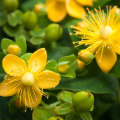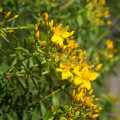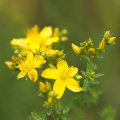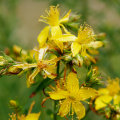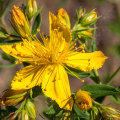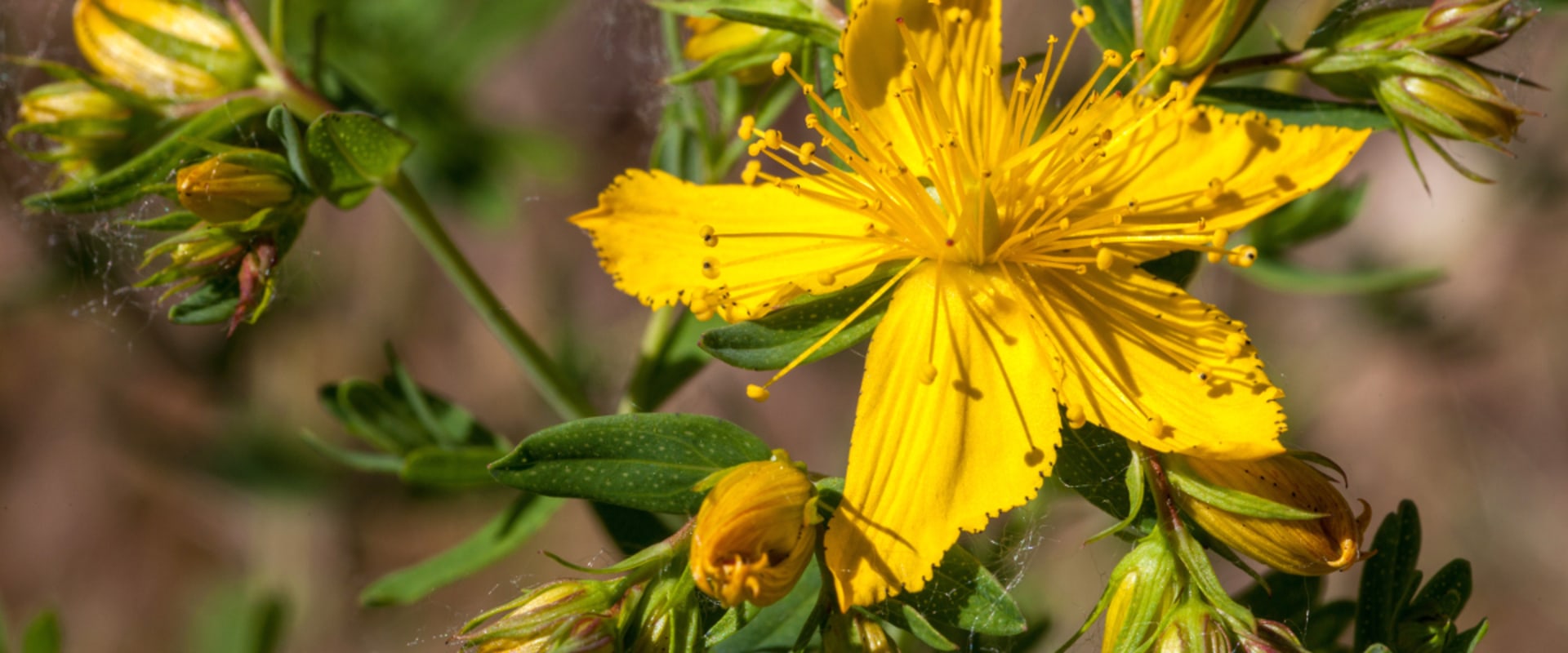
St. John's Wort, scientifically known as Hypericum perforatum, is a flowering plant that has been utilized for centuries in traditional medicine. Its vibrant yellow flowers and distinctive leaves have made it a staple in herbal remedies, particularly for mental health issues. Historically, this herb was used by ancient Greeks and Romans, who believed it possessed healing properties that could alleviate various ailments, including mood disorders.
Today, it is widely recognized for its potential benefits in treating mild to moderate depression, making it a popular choice among those seeking natural alternatives to conventional pharmaceuticals.The significance of St. John's Wort in herbal medicine cannot be overstated. It is often regarded as a natural antidepressant due to its ability to influence brain chemicals that regulate mood. Many studies suggest that the active compounds in St.
John's Wort, such as hypericin and hyperforin, may enhance the availability of neurotransmitters like serotonin, dopamine, and norepinephrine. These neurotransmitters play crucial roles in mood regulation and emotional well-being, which is why St. John's Wort has garnered attention as a potential treatment for depression.As we delve deeper into the benefits of St. John's Wort, it is essential to understand not only its historical context but also the scientific research supporting its use.
While many individuals have reported positive outcomes from using this herb, it is equally important to consider the potential risks and interactions with other medications. This comprehensive overview will provide insights into how St. John's Wort works within the body and its implications for mental health treatment.
The Science Behind St. John's Wort
St.John's Wort, scientifically known as Hypericum perforatum, has garnered attention for its potential benefits in managing mood disorders, particularly mild to moderate depression. The efficacy of this herb is largely attributed to its active compounds, primarily hypericin and hyperforin. Understanding how these compounds interact with brain chemicals can shed light on the mechanisms behind St. John's Wort's therapeutic effects.
Hypericin
is a polyphenolic compound that has been studied for its ability to influence neurotransmitter levels in the brain.
Research suggests that hypericin may inhibit the reuptake of serotonin, a key neurotransmitter involved in mood regulation. By preventing serotonin from being reabsorbed into the presynaptic neuron, hypericin increases its availability in the synaptic cleft, potentially enhancing mood and alleviating depressive symptoms.On the other hand, hyperforin plays a crucial role in modulating various neurotransmitter systems. It is believed to enhance the release of several neurotransmitters, including dopamine and norepinephrine. Dopamine is often associated with feelings of pleasure and reward, while norepinephrine is linked to alertness and arousal.
By increasing the levels of these brain chemicals, hyperforin may contribute to improved mood and cognitive function.The combined action of hypericin and hyperforin suggests a multifaceted approach to treating depression. While hypericin primarily focuses on serotonin pathways, hyperforin broadens the scope by affecting multiple neurotransmitter systems. This dual mechanism may explain why St. John's Wort has been found effective for some individuals who do not respond well to traditional antidepressants.However, it is essential to note that the effects of St.
John's Wort can vary significantly among individuals due to genetic differences in metabolism and brain chemistry. Additionally, while many studies support its benefits, others have raised concerns about potential side effects and interactions with prescription medications.In conclusion, the science behind St. John's Wort reveals a complex interplay between its active compounds and brain chemicals. As research continues to evolve, it remains crucial for individuals considering this herbal supplement to consult healthcare professionals to ensure safe and effective use.
Benefits of St.
John's Wort for Mental HealthSt. John's Wort, scientifically known as Hypericum perforatum, has garnered attention for its potential benefits in managing mental health conditions, particularly mild to moderate depression and anxiety. Numerous studies have explored its efficacy, revealing promising results that suggest this herbal remedy may serve as a viable alternative or complement to traditional antidepressant medications.One of the primary benefits of St. John's Wort is its ability to enhance mood.
Research indicates that the herb may work by increasing the levels of neurotransmitters in the brain, such as serotonin, dopamine, and norepinephrine. These chemicals play a crucial role in regulating mood and emotional well-being. A meta-analysis published in the Journal of Affective Disorders found that St. John's Wort was significantly more effective than a placebo in alleviating symptoms of depression.In addition to its antidepressant properties, St.
John's Wort has been noted for its potential to reduce anxiety symptoms. A study conducted by the University of California found that participants who took St. John's Wort reported lower levels of anxiety compared to those who received a placebo. This dual action on both depression and anxiety makes it a compelling option for individuals experiencing co-occurring symptoms.Moreover, many users of St.
John's Wort have shared anecdotal evidence supporting its mood-enhancing effects. Individuals often report feeling more balanced and less overwhelmed by daily stressors after incorporating this herb into their routine. However, it is essential to approach these claims with caution, as individual responses can vary widely.Despite its potential benefits, it is crucial to consult with a healthcare professional before starting St. John's Wort, especially for those already taking other medications.
The herb can interact with various pharmaceuticals, potentially diminishing their effectiveness or leading to adverse effects.In summary, while St. John's Wort may offer several benefits for mental health , including mood enhancement and anxiety reduction, further research is needed to fully understand its mechanisms and long-term effects. As with any treatment option, informed decision-making and professional guidance are key to achieving optimal mental health outcomes.
Potential Risks and Side Effects
While St. John's Wort is often praised for its potential benefits in managing mild to moderate depression, it is crucial to be aware of the potential risks and side effects associated with its use.Understanding these risks can help individuals make informed decisions about incorporating this herbal supplement into their wellness routine.One of the most notable side effects of St. John's Wort is photosensitivity. This condition makes the skin more susceptible to sunburn and other adverse reactions when exposed to sunlight. Individuals taking St.
John's Wort may experience increased sensitivity, leading to rashes, blisters, or severe sunburns. This risk is particularly concerning for those who are already on medications that heighten skin sensitivity, such as certain antibiotics or anti-inflammatory drugs.In addition to photosensitivity, St. John's Wort can interact with a variety of medications, potentially leading to serious health implications. The herb is known to induce the activity of certain liver enzymes, particularly cytochrome P450 enzymes, which play a significant role in drug metabolism.
This means that St. John's Wort can alter how quickly the body processes various medications, potentially reducing their effectiveness.
- Antidepressants: Combining St. John's Wort with other antidepressants, especially SSRIs (selective serotonin reuptake inhibitors), can lead to a dangerous condition known as serotonin syndrome. Symptoms may include confusion, rapid heart rate, and high blood pressure.
- Birth Control Pills: Women using hormonal contraceptives may find that St.
John's Wort decreases the effectiveness of their birth control methods, increasing the risk of unintended pregnancy.
- Blood Thinners: Medications like warfarin may also be affected by St. John's Wort, as it can alter their anticoagulant effects and increase the risk of clotting or bleeding complications.
- Other Medications: Other drugs that may interact negatively with St. John's Wort include those used for treating HIV/AIDS, cancer medications like irinotecan, and immunosuppressants such as ciclosporin.
A medical professional can provide personalized advice based on individual health conditions and current medications, ensuring safe and effective use of this herbal remedy.
How to Use St. John's Wort Safely
Using St. John's Wort safely requires careful consideration of dosage, form, and monitoring for potential side effects. This herbal supplement can be beneficial for some individuals, particularly those dealing with mild to moderate depression, but it is essential to approach its use with caution.Recommended Dosages
The appropriate dosage of St.John's Wort can vary based on the form in which it is taken. Here are some general guidelines:
- Capsules or Tablets: The typical dosage ranges from 300 mg to 600 mg of standardized extract taken two to three times daily. It is crucial to choose a product that contains 0.3% hypericin, the active compound believed to contribute to its antidepressant effects.
- Liquid Extracts: If using a tincture, a common recommendation is 20 to 40 drops taken three times a day. Always check the concentration of the extract, as this can vary significantly between products.
- Teas: For those who prefer herbal teas, steeping 1 to 2 teaspoons of dried St.
John's Wort in hot water for about 10 minutes can provide a soothing beverage. Drinking this tea two to three times daily may offer similar benefits.
Forms of St. John's Wort
St. John's Wort is available in various forms, including:- Capsules and Tablets: These are convenient and allow for precise dosing.
- Tinctures: Liquid extracts that can be added to water or taken directly.
- Dried Herb: Used for making teas or infusions.
Monitoring Effects
When starting St.John's Wort, it is vital to monitor your body's response closely. Here are some tips for safe use:
- Start Low and Go Slow: Begin with a lower dose to assess tolerance before gradually increasing it.
- Keep a Journal: Document your mood changes, side effects, and any interactions with other medications you may be taking.
- Consult Your Doctor: Regular check-ins with your healthcare provider can help ensure that St. John's Wort is working effectively and safely alongside any other treatments.
St.
John's Wort vs. Traditional AntidepressantsWhen considering treatment options for depression, many individuals find themselves weighing the benefits of St. John's Wort against traditional antidepressants, particularly selective serotonin reuptake inhibitors (SSRIs). Understanding the differences in their mechanisms, effectiveness, and potential side effects is crucial for making an informed decision.
Mechanisms of Action
- St.
John's Wort:
This herbal remedy is believed to work by increasing the availability of neurotransmitters such as serotonin, dopamine, and norepinephrine in the brain. The active compounds, including hypericin and hyperforin, may inhibit the reuptake of these chemicals, similar to how SSRIs function. - SSRIs: These medications specifically target serotonin levels by blocking its reabsorption in the brain. This leads to increased serotonin availability, which can help improve mood and alleviate symptoms of depression.
Effectiveness Comparison
Research indicates that St. John's Wort can be effective for mild to moderate depression, with some studies suggesting it may be as effective as certain SSRIs.
However, its efficacy can vary significantly among individuals. In contrast, SSRIs are often considered the first-line treatment for moderate to severe depression due to their well-documented effectiveness and safety profiles.
Advantages and Disadvantages
- St. John's Wort:
- Advantages: Being a natural remedy, it may appeal to those seeking alternatives to pharmaceutical drugs. It is also associated with fewer side effects for some users.
- Disadvantages: The quality and concentration of active ingredients can vary widely between products, leading to inconsistent results.
Additionally, it can interact with various medications, reducing their effectiveness.
- SSRIs:
- Advantages: SSRIs have a robust body of research supporting their use and are often prescribed based on specific patient needs. They also have established dosing guidelines and monitoring protocols.
- Disadvantages: Common side effects include weight gain, sexual dysfunction, and withdrawal symptoms upon discontinuation. Some patients may also experience a delayed onset of therapeutic effects.
Individual health conditions, medication interactions, and personal preferences all play a significant role in determining the most appropriate treatment approach.
Frequently Asked Questions about St. John's Wort has gained popularity as a natural remedy for various mental health issues, particularly mild to moderate depression. However, many people have questions about its effectiveness, safety, and interactions with other medications. Below are some frequently asked questions that can help clarify these concerns.Is St.
John's Wort effective?Research indicates that St. John's Wort can be effective for treating mild to moderate depression. Several studies have shown that it may work similarly to traditional antidepressants by increasing the levels of neurotransmitters such as serotonin in the brain. However, its effectiveness can vary from person to person, and it may not be suitable for everyone.
It is essential to consult a healthcare provider to determine if this herbal supplement is appropriate for your specific situation.
Who should not take St. John's Wort?
While St. John's Wort is generally considered safe for many individuals, certain groups should avoid it:- Pregnant or breastfeeding women: The effects of St. John's Wort on pregnancy and lactation are not well-studied, so it is best to err on the side of caution.
- Individuals with bipolar disorder: This herb may trigger manic episodes in those with bipolar disorder.
- People taking specific medications: St.
John's Wort can interact with various medications, including antidepressants, anticoagulants, and birth control pills, potentially reducing their effectiveness.
Can you take St. John's Wort with other medications?
It is crucial to consult a healthcare professional before combining St. John's Wort with other medications. This herb can affect how the body metabolizes certain drugs, leading to decreased efficacy or increased side effects.For example:
- Antidepressants: Taking St. John's Wort alongside SSRIs or other antidepressants can increase the risk of serotonin syndrome, a potentially life-threatening condition.
- Birth control pills: The herb may reduce the effectiveness of hormonal contraceptives, increasing the risk of unintended pregnancy.
- Blood thinners: If you are on anticoagulants like warfarin, St. John's Wort could alter their effectiveness and increase the risk of clotting issues.
Conclusion: The Role of St.
John's Wort in Mental Health CareIn summary, St. John's Wort has emerged as a popular herbal remedy for individuals seeking relief from mild to moderate depression. Its potential benefits stem from its ability to influence brain chemicals, particularly serotonin, dopamine, and norepinephrine, which play crucial roles in mood regulation. However, while many users report positive outcomes, it is essential to approach this supplement with caution.One of the most significant aspects to consider is the interactions that St.
John's Wort can have with various medications. As highlighted in our discussion, this herb can alter the metabolism of numerous drugs, including antidepressants, birth control pills, and other critical medications. Such interactions can lead to decreased effectiveness or increased side effects, which may pose serious health risks.Moreover, the potential for increased sensitivity to sunlight is another concern that users should be aware of. This side effect can complicate treatment plans for individuals already taking medications that heighten sun sensitivity.Given these factors, it is imperative for anyone considering St.
John's Wort to engage in an informed dialogue with their healthcare provider. A thorough discussion can help assess individual health needs and medication regimens, ensuring that any decision made is safe and beneficial.Ultimately, while St. John's Wort may offer a natural alternative for managing symptoms of depression, it is not a one-size-fits-all solution. Each person's experience with mental health is unique, and what works for one individual may not work for another.
Therefore, careful consideration and professional guidance are essential when integrating this herbal supplement into a mental health care plan.