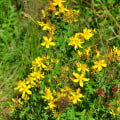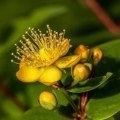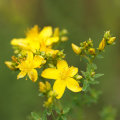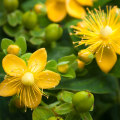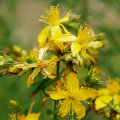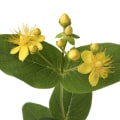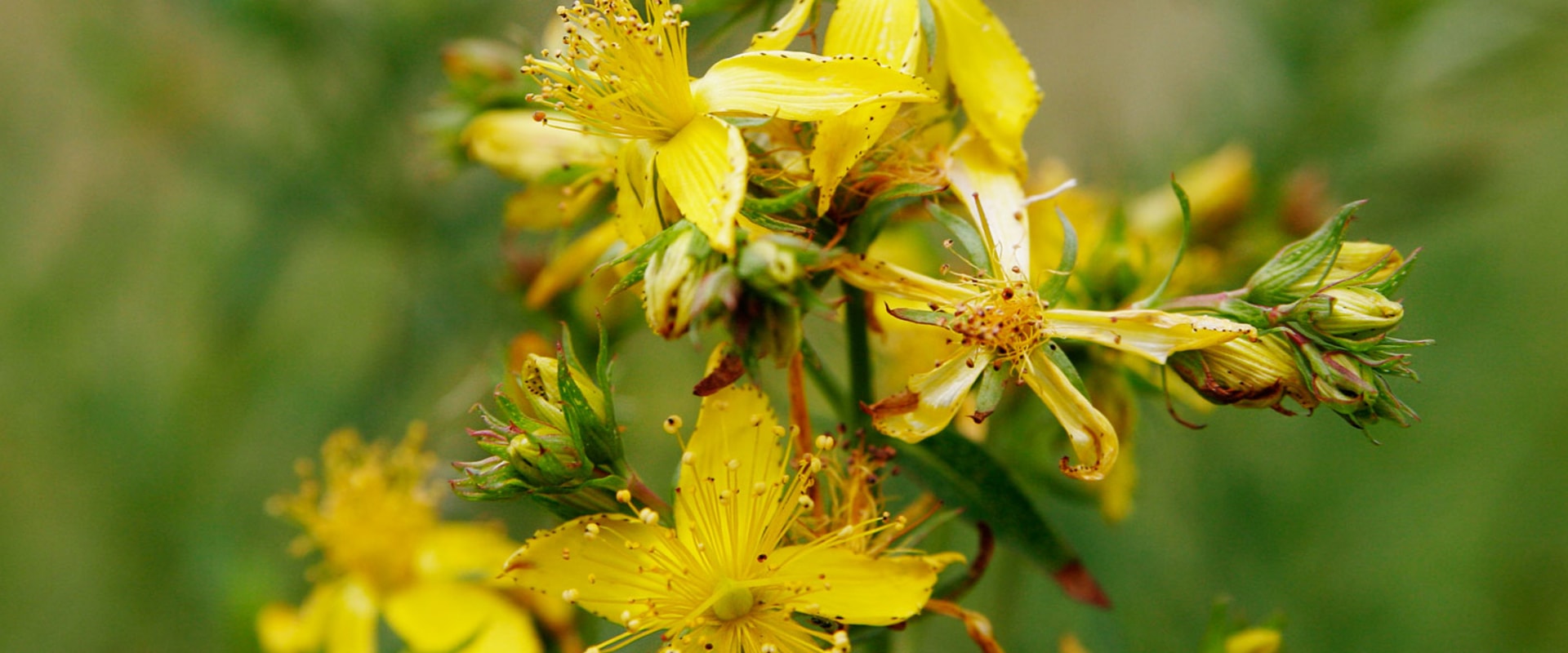
St. John's Wort, scientifically known as Hypericum perforatum, is a flowering plant that has been utilized for centuries in various cultures for its medicinal properties. Traditionally, it has been employed to treat a range of ailments, from wounds and burns to more complex conditions such as anxiety and depression. Its vibrant yellow flowers and distinctive leaves have made it a staple in herbal medicine, often recognized for its potential benefits in enhancing mood and alleviating symptoms of depression.The historical significance of St.
John's Wort cannot be overstated. Ancient Greeks and Romans valued it for its healing properties, while in medieval Europe, it was commonly used to ward off evil spirits and promote mental well-being. This rich history has paved the way for modern research into its efficacy, particularly regarding its role as a natural remedy for depression. Today, many individuals seeking alternatives to conventional antidepressants turn to this herbal supplement, drawn by the promise of fewer side effects and a more holistic approach to mental health.Despite its long-standing use, understanding the benefits and potential risks associated with St.
John's Wort is crucial for anyone considering it as a treatment option. While some studies suggest that it may be effective in managing mild to moderate depression, the scientific community remains divided on its overall effectiveness compared to traditional antidepressants. Furthermore, the interactions between St. John's Wort and other medications can pose significant risks, making it essential for users to consult healthcare professionals before incorporating it into their treatment plans.As we delve deeper into the complexities of St.
John's Wort, we will explore not only its potential benefits but also the precautions necessary to ensure safe usage. By examining both sides of the coin, we aim to provide a comprehensive understanding of this intriguing herbal remedy and its place in contemporary mental health treatment.
The Science Behind St. John's Wort
St. John's Wort, scientifically known as Hypericum perforatum, has been the subject of numerous studies aimed at understanding its potential benefits for mental health, particularly in the treatment of depression.The herb contains several active compounds, including hypericin and hyperforin, which are believed to play a significant role in its therapeutic effects.Research indicates that St. John's Wort may influence neurotransmitter systems in the brain, particularly serotonin, dopamine, and norepinephrine. These neurotransmitters are crucial for regulating mood and emotional well-being. By inhibiting the reuptake of these chemicals, St.
John's Wort may help to elevate mood and alleviate symptoms of depression.Several clinical trials have been conducted to assess the effectiveness of St. John's Wort compared to conventional antidepressants. A meta-analysis published in the Journal of Affective Disorders found that St. John's Wort was more effective than a placebo in treating mild to moderate depression.
However, its efficacy was comparable to that of standard antidepressants, suggesting it could be a viable alternative for some individuals.Despite these promising findings, the results are not universally accepted. Some studies have reported mixed outcomes, highlighting the need for further research to clarify its effectiveness across different populations and severities of depression. For instance, a systematic review in the American Journal of Psychiatry noted that while St. John's Wort may be beneficial for mild depression, it might not be as effective for severe cases.Understanding how St.
John's Wort works is essential for those considering it as a treatment option. The herb's active compounds are thought to modulate various biological pathways involved in mood regulation. For example:
- Hypericin: This compound is believed to inhibit the reuptake of serotonin, similar to how many conventional antidepressants function.
- Hyperforin: Research suggests that hyperforin may enhance the release of neurotransmitters like serotonin and dopamine, contributing to improved mood.
Chronic inflammation has been linked to various mental health disorders, including depression.In conclusion, while there is a growing body of evidence supporting the potential benefits of St. John's Wort for managing depression, it is crucial for individuals to consult healthcare professionals before starting any new treatment regimen. This ensures that they receive personalized advice based on their specific health needs and circumstances.
St. John's Wort and Depression: What the Research Says
Research on the effectiveness of St.John's Wort for treating depression has garnered significant attention over the years, leading to a variety of studies and clinical trials aimed at understanding its potential benefits and limitations. While some findings suggest that this herbal remedy may be effective for certain individuals, the overall picture remains complex.One of the most comprehensive reviews was conducted by the American Journal of Psychiatry, which analyzed multiple clinical trials involving St. John's Wort. The review concluded that this herbal supplement could be as effective as standard antidepressants for treating mild to moderate depression.
However, it also noted that the quality of studies varied significantly, with some lacking rigorous methodologies.In a notable clinical trial published in The Lancet, researchers compared St. John's Wort to a placebo and a standard antidepressant, fluoxetine (Prozac). The results indicated that while St. John's Wort showed promise in alleviating depressive symptoms, it was not universally effective across all participants.
Some individuals experienced significant improvements, while others did not respond as favorably.Another important aspect to consider is the potential for St. John's Wort to interact with other medications. Studies have shown that it can reduce the effectiveness of various prescription drugs, including certain antidepressants, birth control pills, and anticoagulants. This interaction risk underscores the importance of consulting with a healthcare provider before starting any new treatment regimen.Furthermore, while some studies suggest that St.
John's Wort may help with anxiety symptoms associated with depression, more research is needed to fully understand its efficacy in this area. A meta-analysis published in Psychological Medicine highlighted that while St. John's Wort could be beneficial for some patients, it should not replace conventional treatments for severe depression.In summary, while there is evidence supporting the use of St. John's Wort for mild to moderate depression, its effectiveness can vary widely among individuals.
It is crucial for anyone considering this herbal supplement to engage in an open dialogue with their healthcare provider to weigh the potential benefits against the risks and ensure a safe and informed approach to treatment.
Potential Benefits of St. John's Wort, scientifically known as Hypericum perforatum, has been utilized for centuries as a natural remedy for various ailments, particularly in the realm of mental health. Many individuals seeking alternatives to conventional antidepressants have turned to this herbal supplement, often citing a range of potential benefits.One of the most frequently reported advantages of St. John's Wort is its ability to alleviate symptoms of mild to moderate depression.
Numerous anecdotal accounts suggest that users have experienced significant improvements in their mood and overall emotional well-being after incorporating this herb into their daily routine. These testimonials often highlight a reduction in feelings of sadness, anxiety, and irritability, which can be particularly beneficial for those who prefer a more natural approach to managing their mental health.Research has indicated that St. John's Wort may work by influencing neurotransmitters in the brain, such as serotonin, dopamine, and norepinephrine. This mechanism is similar to that of many traditional antidepressants, which aim to balance these chemicals to improve mood.
Some studies suggest that St. John's Wort can be as effective as certain prescription medications for treating depression, making it an appealing option for those hesitant about pharmaceutical interventions.
- Natural Remedy: As a herbal supplement, St. John's Wort is often viewed as a safer alternative to synthetic drugs, with fewer side effects reported by users.
- Accessibility: Available over-the-counter at health food stores and pharmacies, it provides an easily accessible option for individuals seeking relief from depressive symptoms.
- Holistic Approach: Many users appreciate the holistic nature of St. John's Wort, which aligns with their desire for natural remedies that consider the body and mind's interconnectedness.
John's Wort are promising, it is essential to approach its use with caution. Individual responses can vary significantly, and what works for one person may not yield the same results for another. Additionally, consulting with a healthcare provider before starting any new supplement is crucial, especially for those currently taking other medications or with pre-existing health conditions.In conclusion, while anecdotal evidence and some research support the potential benefits of St. John's Wort in managing depression, further studies are needed to fully understand its efficacy and safety profile.
For those considering this natural remedy, it may offer a viable option worth exploring in conjunction with professional guidance.
Risks and Side Effects of St. John's Wort
While St. John's Wort is often touted for its potential benefits in managing mild to moderate depression, it is crucial to be aware of the risks and side effects associated with its use. Understanding these factors can help individuals make informed decisions about their mental health treatment options.One of the primary concerns regarding St.John's Wort is its potential to interact with various medications. This herbal supplement can affect the metabolism of certain drugs, leading to either increased side effects or reduced effectiveness of those medications. For instance, it is known to induce cytochrome P450 enzymes, which play a significant role in drug metabolism. As a result, medications such as:
- Antidepressants: Combining St.
John's Wort with other antidepressants can lead to serotonin syndrome, a potentially life-threatening condition characterized by symptoms like confusion, rapid heart rate, and high blood pressure.
- Birth Control Pills: The effectiveness of hormonal contraceptives may be diminished when taken alongside St. John's Wort, increasing the risk of unintended pregnancy.
- Anticoagulants: Blood thinners like warfarin may have altered effects, potentially increasing the risk of clotting or bleeding.
- Anti-HIV Medications: St. John's Wort can reduce the effectiveness of certain antiretroviral drugs, which are critical for managing HIV.
- Anticancer Drugs: Some chemotherapy agents may also be less effective when taken with this herbal supplement.
- Pregnant and Nursing Women: Limited research exists on the safety of St.
John's Wort during pregnancy and breastfeeding, making it advisable for these individuals to avoid its use unless directed by a healthcare provider.
- Individuals with Bipolar Disorder:Individuals with Bipolar Disorder: There is a risk that St. John's Wort may trigger manic episodes in those with bipolar disorder, necessitating careful monitoring and consultation with a healthcare professional.
- Children and Adolescents: The safety and efficacy of St. John's Wort in younger populations have not been well established, warranting caution in prescribing this supplement to minors.
- Dizziness
- Dry mouth
- Nausea
- Fatigue
- Increased sensitivity to sunlight
John's Wort, it is essential to consult your healthcare provider promptly. They can help assess whether the supplement is appropriate for you and suggest alternative treatments if necessary.
Who Should Consider Using St. John's Wort?
St. John's Wort has garnered attention as a potential natural remedy for those experiencing mild to moderate depression.However, it is essential to understand who might benefit from this herbal supplement and under what circumstances its use may be appropriate.
Individuals with Mild to Moderate Depression
Research suggests that St. John's Wort may be effective for individuals suffering from mild to moderate depression. For those who have not found relief through conventional antidepressants or prefer a more natural approach, this herb could be a viable option. It is crucial, however, to consult with a healthcare provider before starting any new treatment.People Seeking Alternative Treatments
Individuals who are looking for alternative treatments for their mental health issues may consider St.John's Wort as part of their regimen. This is particularly relevant for those who have experienced side effects from traditional medications or have concerns about long-term pharmaceutical use.
Those Interested in Complementary Therapies
St. John's Wort can also be considered by individuals who are already engaged in complementary therapies, such as psychotherapy or lifestyle changes aimed at improving mental health. When used in conjunction with these methods, it may enhance overall treatment outcomes.Considerations for Specific Populations
- Pregnant or Nursing Women: Caution is advised as the effects of St.
John's Wort on pregnant or breastfeeding women have not been extensively studied. Consulting a healthcare provider is essential.
- Individuals with Bipolar Disorder: Those diagnosed with bipolar disorder should avoid St. John's Wort unless under strict medical supervision, as it may trigger manic episodes.
- Children and Adolescents: The safety and efficacy of St. John's Wort in younger populations are not well established, making professional guidance necessary.
Safe Use of St.
John's WortIf you decide to explore the benefits of St. John's Wort, it is vital to do so safely:
- Consult Your Healthcare Provider: Always discuss with your doctor before starting St. John's Wort, especially if you are taking other medications.
- Monitor Your Symptoms: Keep track of any changes in your mood or side effects after starting the supplement.
- Avoid Alcohol and Certain Foods: Be aware of dietary restrictions and potential interactions with alcohol and certain foods that can exacerbate side effects.
Consulting with Healthcare Providers
Before considering the use of St.John's Wort as a treatment for depression or any other mental health condition, it is crucial to consult with a healthcare provider. This step is essential for several reasons, primarily to ensure safety and appropriateness based on individual health conditions.Healthcare providers can offer personalized advice that takes into account your medical history, current medications, and overall health status. Here are some key points to consider when discussing St. John's Wort with your doctor:
- Medication Interactions: St.
John's Wort is known to interact with various prescription medications, including antidepressants, anticoagulants, and birth control pills. Your doctor can help identify any potential interactions that could compromise your treatment plan.
- Underlying Health Conditions: If you have pre-existing conditions such as bipolar disorder or schizophrenia, St. John's Wort may exacerbate symptoms. A healthcare provider can assess your specific situation and recommend safer alternatives if necessary.
- Dosage and Administration: If your doctor approves the use of St.
John's Wort, they can guide you on the appropriate dosage and form (e.g., capsules, teas) to ensure maximum efficacy while minimizing side effects.
- Monitoring Progress: Regular follow-ups with your healthcare provider can help monitor your response to St. John's Wort and make adjustments as needed. This is particularly important if you are also undergoing other treatments for depression.
They may suggest complementary therapies or lifestyle changes that could enhance the effectiveness of any treatment you choose.In summary, while St. John's Wort may offer potential benefits for some individuals dealing with mild to moderate depression, it is not a one-size-fits-all solution. Engaging in an open dialogue with your healthcare provider ensures that you make informed decisions about your mental health care.
Alternatives to St. John's Wort for Depression Treatment
While St.John's Wort has gained popularity as a natural remedy for depression, it is essential to explore a variety of alternative treatments that may be effective for managing depressive symptoms. These alternatives can range from therapeutic approaches to other natural remedies, providing individuals with a broader spectrum of options.
Therapeutic Approaches
One of the most widely recognized methods for treating depression is psychotherapy. This form of treatment involves talking with a trained mental health professional who can help individuals understand their feelings and develop coping strategies. Common types of psychotherapy include:- Cognitive Behavioral Therapy (CBT) : This approach focuses on identifying and changing negative thought patterns and behaviors that contribute to depression.
- Interpersonal Therapy (IPT) : IPT emphasizes improving interpersonal relationships and social functioning, which can significantly impact mood.
- Mindfulness-Based Cognitive Therapy (MBCT) : This combines cognitive therapy with mindfulness strategies to help individuals become more aware of their thoughts and feelings without judgment.
Natural Remedies
In addition to therapy, several natural remedies may offer relief from depressive symptoms:- Omega-3 Fatty Acids : Found in fish oil, these essential fats have been linked to improved mood and cognitive function.
- Saffron : Some studies suggest that saffron may be as effective as certain antidepressants in alleviating symptoms of depression.
- Exercise : Regular physical activity has been shown to boost mood by releasing endorphins and reducing stress levels.
- Yoga and Meditation : These practices promote relaxation and mindfulness, which can help reduce anxiety and improve overall mental well-being.
Holistic Approaches
A holistic approach to managing depression considers the whole person—mind, body, and spirit.Integrating various lifestyle changes can enhance overall mental health:
- Nutritional Support : A balanced diet rich in fruits, vegetables, whole grains, and lean proteins can support brain health and improve mood.
- Sufficient Sleep : Prioritizing quality sleep is crucial, as sleep disturbances can exacerbate depressive symptoms.
- Social Support : Building strong relationships with friends and family can provide emotional support and reduce feelings of isolation.
Conclusion: Weighing the Pros and Cons of St. John's Wort for Depression
In summary, the use of St.John's Wort as a treatment for depression presents a complex landscape of potential benefits and risks. While this herbal remedy has been utilized for centuries and may offer some individuals relief from mild to moderate depressive symptoms, it is essential to approach its use with caution and informed awareness.
Benefits:
- Natural Alternative: For those seeking non-pharmaceutical options, St. John's Wort can be an appealing choice, especially for individuals who prefer natural remedies over conventional medications.
- Potential Effectiveness: Some studies suggest that St. John's Wort may be as effective as certain antidepressants for treating mild to moderate depression, providing a viable option for those who do not respond well to traditional treatments.
- Accessibility: This herbal supplement is widely available over-the-counter, making it easily accessible for individuals looking to explore alternative treatment options.
Risks:
- Lack of Regulation: Unlike prescription medications, St.
John's Wort is not regulated by the FDA, leading to variability in product quality and potency.
- Drug Interactions: One of the most significant concerns is its potential to interact with various medications, including antidepressants, birth control pills, and other critical treatments, which can lead to serious health complications.
- Side Effects: While generally considered safe for many, St. John's Wort can cause side effects such as gastrointestinal issues, fatigue, and increased sensitivity to sunlight.
For those struggling with depression, seeking professional guidance ensures a comprehensive approach to treatment that prioritizes safety and efficacy.In conclusion, while St. John's Wort may offer some benefits for managing depression, it is not a one-size-fits-all solution. Informed decision-making is key to navigating the complexities of mental health treatment.