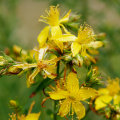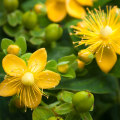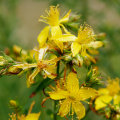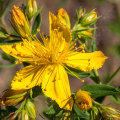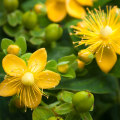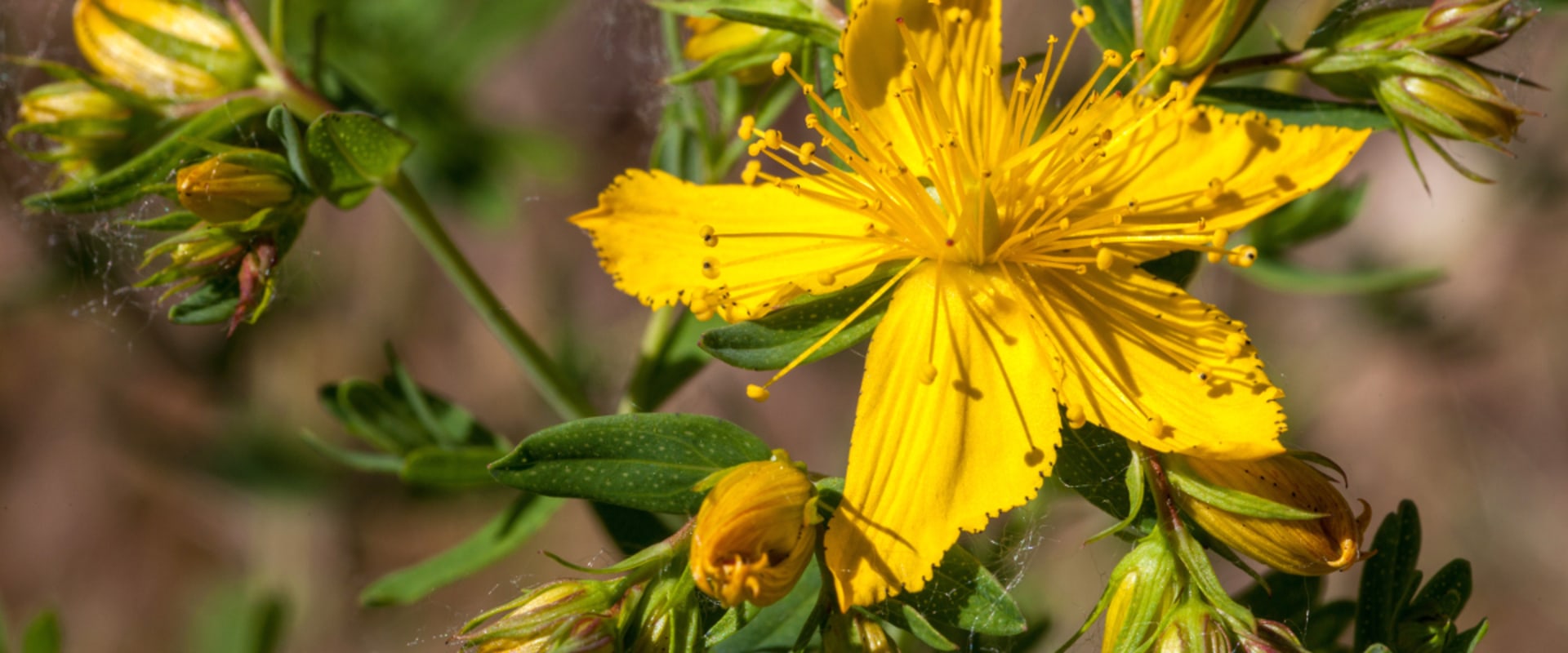
St. John's Wort, scientifically known as Hypericum perforatum, is a flowering plant that has captured the attention of herbalists and researchers alike for centuries. Traditionally, this herb has been utilized for its medicinal properties, particularly in the treatment of mood disorders. Its vibrant yellow flowers and distinctive leaves have made it a staple in folk medicine, where it was often employed to ward off evil spirits and promote emotional well-being.
Today, the focus has shifted towards understanding the benefits of St. John's Wort on brain health, particularly its potential role in alleviating symptoms of depression and anxiety.The historical significance of St. John's Wort cannot be overstated. Ancient civilizations, including the Greeks and Romans, recognized its therapeutic potential, using it to treat a variety of ailments ranging from wounds to mental health issues.
In modern herbal medicine, it has gained popularity as a natural alternative to conventional antidepressants. This shift reflects a growing interest in holistic approaches to health and wellness, where individuals seek out natural remedies that align with their values and lifestyle.As we delve deeper into the impact of St. John's Wort on the brain, it is essential to explore how this herb interacts with neurotransmitters and influences mood regulation. Research suggests that St.
John's Wort may function similarly to selective serotonin reuptake inhibitors (SSRIs), enhancing the availability of key brain chemicals such as serotonin, dopamine, and norepinephrine. This mechanism not only highlights its potential as a treatment for depression but also raises important questions about its efficacy and safety compared to traditional pharmaceuticals.In this article, we will examine the multifaceted benefits of St. John's Wort, shedding light on its historical context, current applications in herbal medicine, and the scientific evidence supporting its use for brain health. By understanding both its advantages and limitations, we can better appreciate the role of this remarkable herb in contemporary wellness practices.
Understanding the Brain and Neurotransmitters
The human brain is a complex organ that serves as the control center for the entire body.It is responsible for regulating numerous functions, including thought processes, emotions, and physical movements. Understanding how the brain operates is essential for grasping the potential effects of substances like St. John's Wort on mental health.At the core of brain function are neurotransmitters , which are chemical messengers that transmit signals between neurons (nerve cells). These neurotransmitters play a crucial role in regulating mood, behavior, and cognitive functions.
Among the most significant neurotransmitters involved in mood regulation are serotonin, dopamine, and norepinephrine.
Serotonin
Serotonin is often referred to as the "feel-good" neurotransmitter due to its role in promoting feelings of well-being and happiness. It is primarily found in the brain, intestines, and blood platelets. Low levels of serotonin have been linked to mood disorders such as depression and anxiety. This neurotransmitter helps regulate various bodily functions, including:- Sleep patterns
- Appetite
- Mood stability
- Cognitive functions such as memory and learning
Dopamine
Dopamine is another critical neurotransmitter that plays a vital role in the brain's reward system.It is associated with pleasure, motivation, and reinforcement of behaviors. When we engage in activities that bring us joy or satisfaction, dopamine levels increase, reinforcing those behaviors. However, imbalances in dopamine levels can lead to various mental health issues, including:
- Depression
- Schizophrenia
- Addiction
Norepinephrine
Norepinephrine functions both as a neurotransmitter and a hormone. It is involved in the body's fight-or-flight response, preparing us to react to stressful situations.In terms of mood regulation, norepinephrine helps maintain alertness and focus. Low levels can contribute to symptoms of depression and attention disorders.Understanding these neurotransmitters is crucial when discussing how St. John's Wort may influence brain health. By potentially increasing the availability of serotonin, dopamine, and norepinephrine in the brain, St.
John's Wort could help alleviate symptoms associated with mood disorders.
The Active Compounds in St. John's Wort
St. John's Wort is renowned for its potential therapeutic effects, particularly in the realm of mental health. Central to these benefits are several active compounds that interact with the brain's chemistry.Understanding these compounds is crucial for grasping how St. John's Wort may alleviate symptoms of depression and anxiety.
Hypericin
is one of the most studied components of St. John's Wort. This compound is a polyphenolic compound that has garnered attention for its ability to inhibit the reuptake of neurotransmitters such as serotonin, dopamine, and norepinephrine.
By preventing these neurotransmitters from being reabsorbed into the neurons, hypericin increases their availability in the synaptic cleft, which can enhance mood and emotional well-being. Additionally, hypericin is believed to possess anti-inflammatory properties, which may further contribute to its antidepressant effects.
Hyperforin
, another significant active ingredient, plays a pivotal role in the herb's mechanism of action. Research suggests that hyperforin also inhibits the reuptake of neurotransmitters but does so through different pathways than hypericin. It has been shown to affect various neurotransmitter systems, including those involved in mood regulation.
Hyperforin's unique ability to modulate the levels of multiple neurotransmitters makes it a key player in the herb's overall efficacy.Furthermore, adhyperforin , a derivative of hyperforin, has emerged as an important compound in St. While less studied than its counterparts, adhyperforin is thought to enhance the herb's antidepressant properties by further influencing neurotransmitter dynamics in the brain. Its presence adds another layer of complexity to how St. John's Wort may exert its effects on mental health.In summary, the active compounds in St.
John's Wort—hypericin, hyperforin, and adhyperforin—work synergistically to influence brain chemistry and potentially improve mood disorders. Their mechanisms involve inhibiting neurotransmitter reuptake and modulating various neurochemical pathways, which collectively contribute to the herb's therapeutic benefits. As research continues to unfold, a deeper understanding of these compounds will be essential for optimizing their use in clinical settings.
St. John's Wort and Depression: A Closer Look
St.John's Wort, known scientifically as Hypericum perforatum, has garnered attention as a potential treatment for depression, particularly in cases of mild to moderate depressive disorders. Numerous studies have investigated its effectiveness, often comparing it to traditional antidepressants such as selective serotonin reuptake inhibitors (SSRIs).Research indicates that St. John's Wort may be effective in alleviating symptoms of depression. A meta-analysis published in the Journal of Affective Disorders reviewed multiple clinical trials and found that St.
John's Wort was significantly more effective than a placebo in treating depression. In fact, the herb showed comparable efficacy to standard antidepressants, with fewer side effects reported by users.One notable study conducted by the German Institute for Quality and Efficiency in Health Care analyzed data from over 30 clinical trials involving thousands of participants. The results suggested that St. John's Wort could be a viable alternative for individuals who prefer natural remedies or those who experience adverse effects from conventional medications.However, it is essential to consider the variability in product quality and concentration when using St.
Unlike prescription medications, herbal supplements are not regulated by the FDA, leading to significant differences in potency among products. This inconsistency can affect treatment outcomes and complicate comparisons with traditional antidepressants.Moreover, while many users report positive results, some may experience side effects such as gastrointestinal disturbances, fatigue, or skin reactions. It is crucial for individuals considering St. John's Wort for depression to consult with a healthcare provider to ensure safe usage and monitor any potential interactions with other medications.In summary, the evidence supporting the use of St.
John's Wort as a treatment for depression is promising, particularly for those seeking alternatives to conventional antidepressants. Its effectiveness appears comparable to that of SSRIs, but careful consideration of product quality and individual health circumstances is vital for optimal results.
Potential Benefits of St. John's Wort on Brain Health
St. John's Wort, scientifically known as Hypericum perforatum, has garnered attention not only for its potential in alleviating symptoms of depression but also for its broader implications on brain health.Research suggests that this herb may offer several benefits that extend beyond mood enhancement, potentially influencing cognitive function and overall mental well-being.One of the primary benefits of St. John's Wort is its ability to enhance mood. The herb is believed to work by increasing the availability of neurotransmitters such as serotonin, dopamine, and norepinephrine in the brain. These neurotransmitters play a crucial role in regulating mood and emotional responses.
By inhibiting their reuptake, St. John's Wort may help improve mood stability and reduce feelings of anxiety and sadness.In addition to mood enhancement, there is growing interest in the cognitive benefits associated with St. Some studies have indicated that the herb may support cognitive function by improving focus, memory, and overall mental clarity. This could be particularly beneficial for individuals experiencing cognitive decline or those who find it challenging to concentrate due to stress or anxiety.
Mechanisms Behind Cognitive Benefits
The cognitive-enhancing effects of St.John's Wort may be attributed to its active compounds, including hypericin and hyperforin. These compounds are thought to exert neuroprotective effects, potentially safeguarding brain cells from oxidative stress and inflammation. By promoting a healthier brain environment, St. John's Wort may contribute to improved cognitive performance.
Potential Applications Beyond Depression
While much of the research surrounding St.John's Wort has focused on its antidepressant properties, its potential applications extend to other areas of mental health as well. For instance, some studies suggest that it may help alleviate symptoms of seasonal affective disorder (SAD) and general anxiety disorder (GAD). The herb's ability to stabilize mood can be particularly advantageous during periods of seasonal change or heightened stress.Moreover, the anti-inflammatory properties of St. John's Wort could play a role in reducing neuroinflammation, which is increasingly recognized as a contributing factor in various neurodegenerative diseases.
By mitigating inflammation in the brain, St. John's Wort may offer protective benefits against conditions such as Alzheimer's disease and other forms of dementia.In conclusion, while further research is needed to fully understand the extent of St. John's Wort's benefits for brain health, its potential for mood enhancement and cognitive support presents an exciting avenue for those seeking natural alternatives for mental well-being. As always, individuals should consult with healthcare professionals before starting any new supplement regimen.
Side Effects and Risks Associated with St.
John's WortWhile St. John's Wort is often praised for its potential benefits in managing mood disorders, it is crucial to be aware of the side effects and risks associated with its use. Understanding these factors can help individuals make informed decisions about incorporating this herbal remedy into their health regimen.
Common Side Effects
Users of St. John's Wort may experience a range of side effects, some of which can be bothersome.Commonly reported side effects include:
- Gastrointestinal Issues: Some individuals report symptoms such as nausea, diarrhea, or an upset stomach.
- Fatigue: A feeling of tiredness or lethargy can occur, particularly when starting the supplement.
- Skin Reactions: Photosensitivity is a notable concern; users may develop rashes or increased sensitivity to sunlight.
- Irritability: Mood swings or increased irritability have been noted by some users.
- Sleep Disturbances: Insomnia or vivid dreams may affect sleep quality for certain individuals.
Serious Risks and Interactions
Beyond common side effects, St. John's Wort poses serious risks, particularly regarding its interactions with other medications. The herb is known to induce the activity of certain liver enzymes, specifically the cytochrome P450 system. This can lead to:- Reduced Effectiveness of Other Medications: St.
John's Wort can decrease the effectiveness of various prescription drugs, including antidepressants, birth control pills, anticoagulants, and medications for HIV/AIDS.
- Increased Risk of Side Effects: When combined with other medications that affect serotonin levels, such as SSRIs or certain pain medications, there is a heightened risk of serotonin syndrome—a potentially life-threatening condition.
Conclusion
The potential benefits of St. John's Wort must be weighed against its side effects and risks.While many find relief from symptoms of depression and anxiety through its use, awareness and caution are paramount to ensure safety and efficacy in treatment.
Dosage and Administration of St. John's Wort
When considering the use of St. John's Wort, understanding the appropriate dosage and administration is crucial for maximizing its potential benefits while minimizing risks. The herb is available in various forms, each with its own recommended dosages.Forms of St.
John's Wort
- Capsules and Tablets: These are among the most common forms, providing a standardized dose of the active ingredients. Typical dosages range from 300 mg to 600 mg, taken two to three times daily.
- Liquid Extracts: Tinctures or liquid extracts offer a concentrated form of St. A common recommendation is to take 20 to 40 drops, three times a day, but this can vary based on concentration.
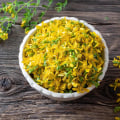
- Teas: Dried St. John's Wort can be brewed into tea.
A typical preparation involves steeping 1 to 2 teaspoons of dried herb in hot water for about 10 minutes, consumed up to three times daily.
- Topical Applications: Some formulations are designed for external use, such as oils or creams that may help with skin conditions. Dosage will depend on the specific product instructions.
Dosage Recommendations
The standard concentration of hypericin in St. John's Wort products is typically around 0.3%. However, due to the lack of regulation by the FDA, the actual concentration can vary significantly between products.Therefore, it is essential to choose high-quality supplements from reputable manufacturers.For those considering St. John's Wort for mood enhancement or depression management, it is generally advised to start with a lower dose and gradually increase it as needed while monitoring for any side effects. A common starting point is:
- 300 mg of standardized extract (0.3% hypericin) , taken three times daily.
Consultation with Healthcare Providers
Before starting any new supplement regimen, including St.John's Wort, consulting with a healthcare provider is essential. This is particularly important for individuals who are pregnant, nursing, or taking other medications, as St. John's Wort can interact with various drugs, potentially leading to adverse effects or reduced efficacy of prescribed treatments.In summary, while St. John's Wort can offer potential benefits for mood regulation and mental health, understanding the correct dosage and form is vital for safe and effective use.
Consulting Healthcare Providers: Why It Matters
When considering the use of St.John's Wort or any herbal supplement, it is crucial to consult with a healthcare provider. This step is particularly important for individuals who have pre-existing health conditions or are currently taking other medications. The interaction between herbal supplements and prescription drugs can lead to unforeseen complications, making professional guidance essential.
Understanding Herbal Supplement Safety
Herbal supplements, including St. John's Wort, are often perceived as safe alternatives to conventional medications.
However, this perception can be misleading. Unlike prescription drugs, herbal products are not subject to the same rigorous testing and regulation by the Food and Drug Administration (FDA). This lack of oversight means that the quality, potency, and purity of these supplements can vary significantly between brands and batches.Moreover, the active compounds in St. John's Wort can interact with various medications, including antidepressants, anticoagulants, and birth control pills.
For instance, St. John's Wort is known to induce certain liver enzymes that can alter the metabolism of other drugs, potentially reducing their effectiveness or increasing the risk of side effects.
The Importance of Professional Advice
Consulting a healthcare provider before starting any new supplement regimen allows for a comprehensive evaluation of your health status and medication list. A qualified professional can help identify potential interactions and advise on appropriate dosages based on individual health needs.
- Personalized Recommendations: Healthcare providers can offer tailored advice that considers your unique health profile.
- Monitoring for Side Effects: Regular check-ins with a healthcare provider can help monitor any adverse reactions or side effects from the supplement.
- Informed Decision-Making: A healthcare provider can provide evidence-based information about the efficacy and safety of St. John's Wort in relation to your specific condition.
John's Wort may offer potential benefits for mood enhancement and depression management, it is vital to approach its use with caution. Engaging with a healthcare provider ensures that you make informed decisions regarding your health and well-being, minimizing risks associated with self-medication and unmonitored supplement use.
Conclusion: The Future of St. John's Wort in Mental Health Treatment
In summary, St. John's Wort has emerged as a significant player in the realm of mental health treatment, particularly for its potential benefits in alleviating symptoms of depression.The herb's active compounds, such as hypericin and hyperforin, have been shown to influence neurotransmitter levels in the brain, particularly serotonin, dopamine, and norepinephrine. This mechanism of action is similar to that of conventional antidepressants, making St. John's Wort a compelling alternative for those seeking natural remedies.However, while the benefits of St. John's Wort are noteworthy, it is essential to approach its use with caution.
The lack of regulation by the FDA means that the quality and concentration of active ingredients can vary significantly between products. This inconsistency can lead to unpredictable effects and potential interactions with other medications. Therefore, consulting with a healthcare provider before starting any herbal supplement is crucial.Looking ahead, the future of St. John's Wort in mental health treatment appears promising but requires further research to fully understand its efficacy and safety profile.
Ongoing studies should focus on:
- Standardization: Establishing standardized dosages and formulations to ensure consistent therapeutic effects.
- Long-term Effects: Investigating the long-term impact of St. John's Wort on mental health and its potential side effects.
- Comparative Studies: Conducting head-to-head trials comparing St. John's Wort with traditional antidepressants to assess relative effectiveness and safety.
- Mechanism Exploration: Delving deeper into the biochemical pathways influenced by St. John's Wort to uncover additional therapeutic potentials.
John's Wort into holistic treatment plans may offer patients more choices. By combining traditional therapies with herbal supplements, healthcare providers can create personalized approaches that address individual needs and preferences.In conclusion, while St. John's Wort presents a viable option for managing depression and other mental health conditions, it is imperative to remain informed about its benefits and limitations. Continued research will be vital in unlocking its full potential and ensuring safe usage in the broader context of mental health care.