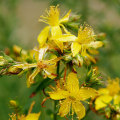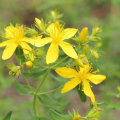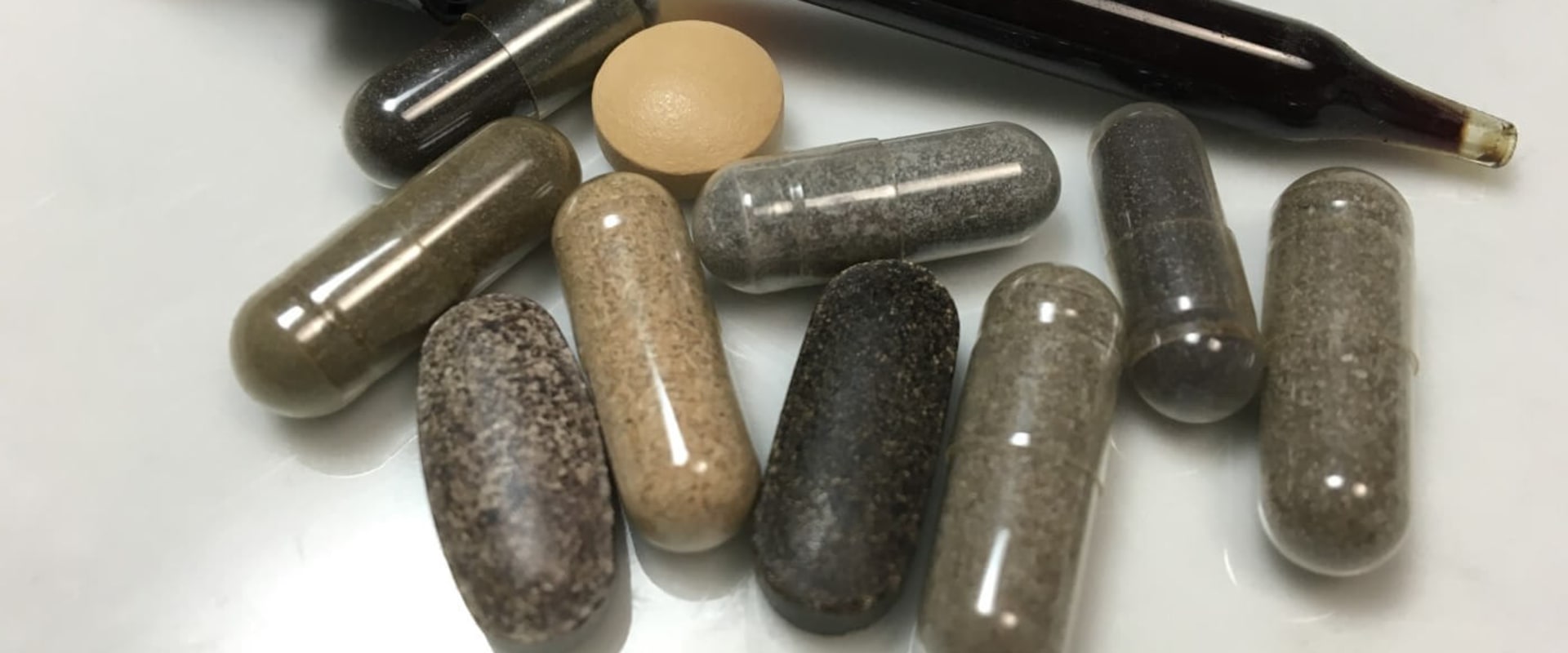
St. John's Wort, scientifically known as Hypericum perforatum, is a flowering plant that has been utilized for centuries in traditional medicine. Its historical roots can be traced back to ancient Greece, where it was employed for various ailments, including wounds and mental health issues. Today, it has gained significant attention as a natural remedy, particularly for its potential benefits in alleviating symptoms of depression and anxiety.
The growing interest in herbal supplements has led many to explore the benefits of St. John's Wort, making it one of the most researched herbal products in the field of mental health.This herb is characterized by its bright yellow flowers and is often harvested during the summer months when it is in full bloom. The active compounds found in St. John's Wort, such as hypericin and hyperforin, are believed to play a crucial role in its therapeutic effects.
These compounds are thought to influence neurotransmitter activity in the brain, particularly serotonin, which is often linked to mood regulation. As a result, many individuals seeking alternative treatments for depression have turned to St. John's Wort as a viable option.Despite its popularity, it is essential to approach St. John's Wort with caution.
While many users report positive outcomes, the herb can interact with various medications, leading to potential complications. Understanding both the benefits and risks associated with St. John's Wort is crucial for anyone considering its use as part of their treatment plan. This article will delve deeper into the implications of using St.
John's Wort alongside other medications, ensuring that readers are well-informed about this powerful herbal remedy.
The Benefits of St. John's Wort
St. John's Wort, scientifically known as Hypericum perforatum, has garnered attention as a natural remedy for various health issues, particularly in the realm of mental health. Its primary benefit lies in its effectiveness in alleviating symptoms of mild to moderate depression.Numerous studies have indicated that this herbal supplement can be as effective as some conventional antidepressants, making it a popular choice for those seeking alternative treatments.One of the key components of St. John's Wort is hypericin, which is believed to play a significant role in its antidepressant effects. This compound may help to increase the levels of serotonin, dopamine, and norepinephrine in the brain—neurotransmitters that are crucial for regulating mood and emotional well-being. By enhancing these neurotransmitter levels, St.
John's Wort can help improve mood and reduce feelings of sadness and anxiety.In addition to its antidepressant properties, St. John's Wort is also noted for its potential to relieve anxiety. Many individuals who experience anxiety disorders have found that incorporating this herbal remedy into their daily routine can lead to a noticeable reduction in anxiety symptoms. This dual action on both depression and anxiety makes St.
John's Wort a versatile option for those struggling with mental health issues.Beyond mental health, St. John's Wort may offer other health benefits as well:
- Anti-inflammatory properties: Some research suggests that St. John's Wort may help reduce inflammation in the body, which can be beneficial for conditions like arthritis.
- Antiviral effects: Preliminary studies indicate that this herb may possess antiviral properties, potentially aiding in the treatment of certain viral infections.
- Wound healing: Traditionally, St. John's Wort has been used topically to promote healing of minor wounds and burns due to its soothing properties.
John's Wort are compelling, it is essential for individuals considering this supplement to consult with a healthcare provider, especially if they are currently taking other medications or have underlying health conditions. Understanding the full scope of its effects can help ensure safe and effective use.
How St. John's Wort Works in the Body
St. John's Wort, scientifically known as Hypericum perforatum, has garnered attention for its potential benefits in managing mood disorders, particularly depression.Understanding how this herbal remedy works in the body is crucial for grasping its interactions with various medications.The primary mechanism of action of St. John's Wort involves its influence on neurotransmitters, which are chemical messengers that facilitate communication between nerve cells. The herb is believed to enhance the levels of several key neurotransmitters, including serotonin, dopamine, and norepinephrine. This modulation can lead to improved mood and a reduction in symptoms of depression.One of the most studied components of St.
John's Wort is hypericin, which is thought to inhibit the reuptake of serotonin in the brain. By preventing serotonin from being reabsorbed into the nerve cells, hypericin increases its availability in the synaptic cleft, thereby enhancing mood and emotional well-being. This mechanism is similar to that of many conventional antidepressants, such as selective serotonin reuptake inhibitors (SSRIs).In addition to hypericin, another important compound found in St. John's Wort is hyperforin.
Research suggests that hyperforin may also play a role in increasing the levels of dopamine and norepinephrine by inhibiting their reuptake. This dual action on multiple neurotransmitters can contribute to a more balanced mood and alleviate feelings of anxiety.Moreover, St. John's Wort has been shown to possess anti-inflammatory properties, which may further support mental health by reducing inflammation in the brain—a factor that has been linked to various mood disorders.However, it is essential to recognize that while St. John's Wort can be beneficial for some individuals, its effects on neurotransmitter levels can lead to significant interactions with other medications.
For instance, its ability to induce certain liver enzymes can alter how other drugs are metabolized, potentially diminishing their effectiveness or increasing side effects.In summary, St. John's Wort operates through a complex interplay of neurotransmitter modulation and anti-inflammatory effects. Understanding these mechanisms not only highlights its potential benefits but also underscores the importance of consulting healthcare providers before combining it with other treatments.
Potential Interactions with Medications
St. John's Wort, known for its potential benefits in alleviating symptoms of depression and anxiety, can significantly interact with various medications, impacting their effectiveness and safety.Understanding these interactions is crucial for anyone considering this herbal supplement alongside prescribed drugs.One of the primary concerns with St. John's Wort is its ability to induce the activity of certain liver enzymes, particularly cytochrome P450 enzymes. This induction can lead to an accelerated metabolism of various medications, reducing their therapeutic effects. Below are some key categories of medications that may be affected:
- Antidepressants: St.
John's Wort can interact with selective serotonin reuptake inhibitors (SSRIs) and other antidepressants, potentially leading to serotonin syndrome, a serious condition characterized by excessive serotonin levels.
- Birth Control Pills: Women using hormonal contraceptives may find their effectiveness diminished when taken with St. John's Wort, increasing the risk of unintended pregnancy.
- Anticoagulants: Medications like warfarin may have altered effects due to St. John's Wort, which can increase the risk of clotting or bleeding complications.
- Immunosuppressants: Drugs such as cyclosporine and tacrolimus may lose efficacy when combined with St. John's Wort, potentially leading to transplant rejection in patients.
- Antiepileptics: Medications like phenobarbital and phenytoin may be less effective when taken with St.
John's Wort, increasing the risk of seizures in susceptible individuals.
Safety Considerations:
When considering the use of St.
John's Wort, it is essential to evaluate not only its potential benefits but also its safety profile in relation to other medications. Patients should be proactive in discussing their complete medication list with their healthcare provider to avoid adverse interactions.In conclusion, while St. John's Wort may offer certain therapeutic advantages, its interactions with various medications can pose significant risks. Awareness and communication with healthcare professionals are vital for ensuring safe and effective treatment plans.
Specific Medications Affected by St.
John's Wort, while celebrated for its potential benefits in managing mild to moderate depression, poses significant risks when combined with various medications. Understanding these interactions is crucial for both patients and healthcare providers to ensure safe and effective treatment plans.
Antidepressants
One of the most critical areas of concern involves the interaction between St. John's Wort and antidepressants. This herbal supplement can enhance the effects of certain antidepressants, leading to a condition known as serotonin syndrome, which can be life-threatening.Medications that may interact include:
- Selective Serotonin Reuptake Inhibitors (SSRIs): Drugs like fluoxetine (Prozac) and sertraline (Zoloft) can have their effects amplified, increasing the risk of serotonin syndrome.
- Serotonin-Norepinephrine Reuptake Inhibitors (SNRIs): Medications such as venlafaxine (Effexor) may also experience heightened effects when taken with St. John's Wort.
- Tricyclic Antidepressants (TCAs): The efficacy of TCAs like amitriptyline can be altered, leading to increased side effects.
Birth Control Pills
Another significant interaction occurs between St. John's Wort and hormonal contraceptives. The herb can accelerate the metabolism of estrogen, potentially reducing the effectiveness of birth control pills.This interaction raises the risk of unintended pregnancies. Women using hormonal contraceptives should consider alternative methods or additional forms of birth control, such as:
- Barrier methods: Condoms or diaphragms can provide extra protection.
- IUDs: Intrauterine devices are a reliable alternative that is not affected by St. John's Wort.
Other Common Medications
A variety of other medications are also known to interact with St. John's Wort, affecting their efficacy and safety:- Cyclosporine: Used in organ transplant patients, its effectiveness may be compromised.
- Digoxin: This heart medication's levels can be altered, leading to potential toxicity.
- Warfarin: A blood thinner that may have its anticoagulant effects diminished.
- Antiepileptic drugs: Medications like phenobarbital may lose effectiveness, increasing seizure risk.
- HIV medications: Protease inhibitors such as indinavir may have reduced effectiveness when taken with St.
John's Wort.
Risks and Side Effects of St. John's Wort
While St.John's Wort is often praised for its potential benefits in managing symptoms of depression and anxiety, it is crucial to be aware of the risks and side effects associated with its use. Understanding these risks can help individuals make informed decisions about incorporating this herbal supplement into their health regimen.One of the most notable concerns regarding St. John's Wort is its potential to cause photosensitivity. This condition increases the skin's sensitivity to sunlight, leading to a higher risk of sunburn, rashes, or blisters when exposed to UV rays.
Individuals taking St. John's Wort should take precautions, such as wearing sunscreen and protective clothing when outdoors, especially during peak sunlight hours.In addition to photosensitivity, users may experience a range of other adverse reactions. Common side effects include:
- Gastrointestinal issues: Some individuals report nausea, diarrhea, or stomach discomfort.
- Fatigue: A feeling of tiredness or lethargy can occur, which may interfere with daily activities.
- Dry mouth: This can lead to discomfort and difficulty swallowing.
- Dizziness: Some users may experience lightheadedness or vertigo.
- Allergic reactions: In rare cases, individuals may develop skin rashes or other allergic responses.
These interactions can lead to decreased effectiveness of prescribed medications or increased side effects. For instance, combining St. John's Wort with selective serotonin reuptake inhibitors (SSRIs) can elevate the risk of serotonin syndrome, a potentially life-threatening condition characterized by confusion, rapid heart rate, and high blood pressure.Moreover, individuals with certain medical conditions should exercise caution when considering St. John's Wort.
Those with a history of bipolar disorder may find that this supplement exacerbates manic episodes. Additionally, pregnant or breastfeeding women should avoid using St. John's Wort due to insufficient research on its safety in these populations.In conclusion, while St. John's Wort may offer benefits for some individuals seeking natural remedies for mood disorders, it is essential to weigh these against the potential risks and side effects.
Consulting with a healthcare provider before starting any new supplement is vital to ensure safety and efficacy in conjunction with existing treatments.
Consulting Healthcare Providers: Best Practices
When considering the use of St. John's Wort or any herbal supplement, it is crucial to consult with a healthcare provider. This step is particularly important for individuals who are currently taking other medications, as the interactions between St. John's Wort and various drugs can significantly affect treatment outcomes.Understanding the Importance of Consultation
Many people may underestimate the potential effects of herbal remedies like St.
John's Wort on their overall health and medication efficacy. Consulting a healthcare provider ensures that you receive personalized advice based on your medical history, current medications, and specific health needs. Here are some best practices for discussing herbal supplements with your doctor:
- Be Honest About Your Health History: Provide your healthcare provider with a complete overview of your medical history, including any chronic conditions, allergies, and previous reactions to medications or supplements.
- List All Current Medications: Make a comprehensive list of all prescription and over-the-counter medications you are currently taking, including dosages. This information is vital for assessing potential interactions.
- Discuss Your Interest in St.
John's Wort:
Clearly express your reasons for wanting to use St. Whether it's for managing symptoms of depression or anxiety, sharing your goals can help your provider offer tailored advice. - Ask About Potential Interactions: Inquire specifically about how St. John's Wort may interact with your current medications. Your provider can explain the risks and benefits associated with its use.
- Request Monitoring Plans: If you and your healthcare provider decide that St.
John's Wort is appropriate for you, ask about follow-up appointments to monitor its effects on your health and medication regimen.
Safe Use of Herbal Remedies
In addition to discussing St. John's Wort with your healthcare provider, consider these general guidelines for the safe use of herbal remedies:
- Research Thoroughly: Educate yourself about the herbal supplement you are considering, including its benefits, risks, and any known side effects.
- Start with Low Doses: If approved by your healthcare provider, begin with a lower dose to assess how your body reacts before increasing it.
- Avoid Mixing Supplements: Be cautious about combining multiple herbal supplements without professional guidance, as this can increase the risk of adverse effects.
- Stay Informed: Keep up-to-date with new research regarding St. John's Wort and other herbal remedies to make informed decisions about their use.
Conclusion: Weighing the Benefits Against the Risks
In summary, the use of St.John's Wort as a natural remedy for various health conditions, particularly depression, presents both notable benefits and significant risks, especially when it comes to its interactions with medications. While many individuals seek out this herbal supplement for its potential to alleviate symptoms of depression and anxiety, it is crucial to recognize that its effects on the body can complicate treatment plans for other medical conditions.One of the primary advantages of St. John's Wort is its ability to enhance mood and provide relief from depressive symptoms. Numerous studies have indicated that it can be effective in treating mild to moderate depression, making it an appealing option for those looking for alternative therapies.
However, this benefit must be weighed against the potential for adverse interactions with prescription medications.As discussed, St. John's Wort can significantly alter the metabolism of various drugs by affecting liver enzymes responsible for drug breakdown. This alteration can lead to decreased effectiveness of medications such as antidepressants, birth control pills, and anticoagulants, among others. For instance, individuals taking alprazolam or warfarin may find that their medications do not work as intended when combined with St.
John's Wort.Moreover, the increased sensitivity to sunlight associated with St. John's Wort can pose additional risks when combined with other medications that have similar side effects. This highlights the importance of being vigilant about sun exposure and taking necessary precautions.Ultimately, making an informed decision about using St. John's Wort requires careful consideration of both its potential benefits and risks.
It is essential for individuals to consult with healthcare providers before starting any new supplement, especially if they are currently taking other medications. By doing so, patients can ensure that they are making safe choices that support their overall health and well-being.In conclusion, while St. John's Wort may offer certain therapeutic benefits, understanding its interactions with medications is vital for anyone considering its use. The key lies in balancing these benefits against the risks through informed choices and professional guidance.