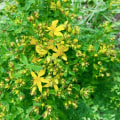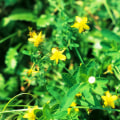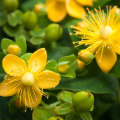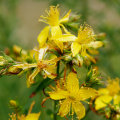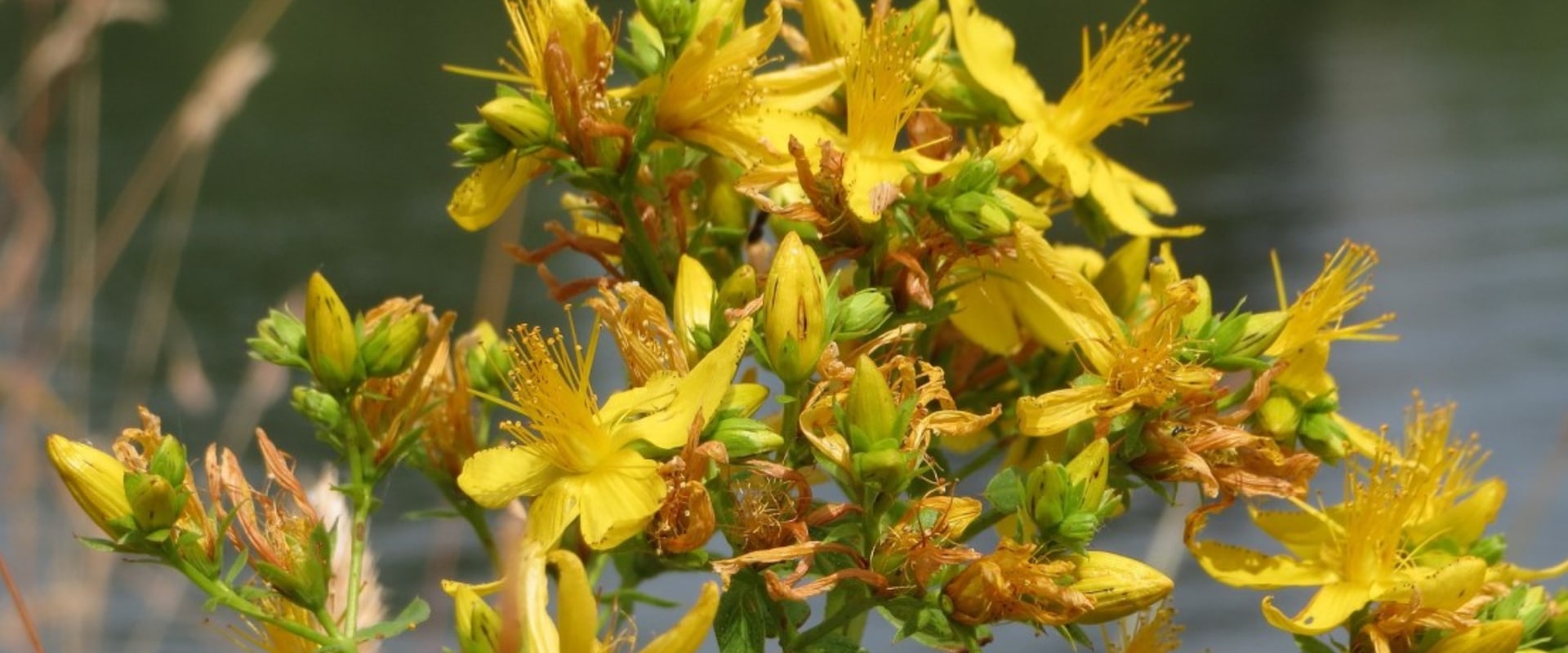
St. John's Wort, scientifically known as St. John's Wort, scientifically known as Hypericum perforatum, is a flowering plant that has been utilized for centuries in various cultures for its medicinal properties. Traditionally, this herb has been recognized for its potential to alleviate symptoms of depression and anxiety, making it a popular choice in the realm of herbal medicine. Its vibrant yellow flowers and distinctive leaves have not only captured the attention of herbalists but also sparked interest among researchers seeking to understand its effects on mental health.The history of St.
John's Wort dates back to ancient times, where it was often associated with various folklore and healing practices. Ancient Greeks and Romans used it to treat wounds and as a remedy for mental health issues. In medieval Europe, it was commonly employed to ward off evil spirits and was believed to possess protective qualities. This rich historical background underscores the significance of St.
John's Wort in traditional medicine, paving the way for its modern-day applications.In contemporary herbal medicine, the benefits of St. John's Wort are primarily attributed to its active compounds, including hypericin and hyperforin. These compounds are thought to influence neurotransmitter activity in the brain, particularly serotonin, which plays a crucial role in regulating mood and emotional well-being. As a result, many individuals turn to St.
John's Wort as a natural alternative to conventional treatments for stress and anxiety.As we delve deeper into the effects of St. John's Wort on mental health, it is essential to consider both its historical context and the scientific evidence supporting its use. Understanding this herb's journey from ancient remedy to modern supplement will provide valuable insights into its potential benefits and limitations in addressing stress and anxiety.
The Science Behind St. John's Wort
St.John's Wort, scientifically known as Hypericum perforatum, is a flowering plant that has been utilized for centuries in traditional medicine. Its therapeutic properties are primarily attributed to its active compounds, notably hypericin and hyperforin. Understanding how these compounds work can shed light on the potential benefits of St. John's Wort for managing stress and anxiety.
Hypericin
is a polyphenolic compound that has garnered attention for its role in modulating neurotransmitter activity.
Research suggests that hypericin may inhibit the reuptake of serotonin, a neurotransmitter closely linked to mood regulation. By preventing serotonin from being reabsorbed into the presynaptic neuron, hypericin increases its availability in the synaptic cleft, potentially enhancing mood and alleviating symptoms of anxiety.On the other hand, hyperforin is another key component that plays a significant role in the herb's mechanism of action. Hyperforin is known to affect various neurotransmitter systems, including serotonin, dopamine, and norepinephrine. It acts as a reuptake inhibitor for these neurotransmitters, similar to how some conventional antidepressants function.
This multifaceted approach may contribute to the overall mood-lifting effects associated with St. John's Wort.Moreover, St. John's Wort is believed to influence GABA (gamma-aminobutyric acid) levels in the brain. GABA is an inhibitory neurotransmitter that helps regulate anxiety and stress responses.
By enhancing GABAergic activity, St. John's Wort may promote relaxation and reduce feelings of tension.While these mechanisms provide insight into how St. John's Wort may alleviate stress and anxiety, it is essential to note that individual responses can vary significantly. Factors such as dosage, duration of use, and individual biochemistry can all influence the effectiveness of this herbal remedy.In summary, the active compounds in St.
John's Wort—hypericin and hyperforin—interact with key neurotransmitters like serotonin and GABA to potentially offer relief from stress and anxiety. However, further research is necessary to fully understand their efficacy and safety in long-term use.
Research Findings on St. John's Wort and Mental Health
Research on the effectiveness of St. John's Wort for treating stress and anxiety has produced a mixed bag of results, with various studies highlighting both its potential benefits and limitations.Understanding these findings is crucial for anyone considering this herbal supplement as a treatment option.One of the most notable studies was conducted by Schmidt et al. (2016), which involved a meta-analysis of multiple clinical trials assessing the efficacy of St. John's Wort in treating mild to moderate depression and anxiety. The analysis concluded that St.
John's Wort was significantly more effective than a placebo, with a response rate that suggested it could be a viable alternative to conventional antidepressants for some individuals.Another important study published in the Journal of Clinical Psychiatry examined the effects of St. John's Wort on patients with generalized anxiety disorder (GAD). The results indicated that participants who took St. John's Wort experienced a notable reduction in anxiety symptoms compared to those receiving a placebo.
However, the study also pointed out that while the herb showed promise, the sample size was relatively small, which limits the generalizability of the findings.Despite these positive outcomes, several limitations have been identified in the research surrounding St. John's Wort:
- Short Duration: Many studies have been conducted over short periods, typically ranging from 4 to 12 weeks. This raises questions about the long-term efficacy and safety of St. John's Wort.
- Variability in Quality: The quality and concentration of active ingredients in St.
John's Wort supplements can vary significantly between products, which may affect study outcomes.
- Potential for Bias: Some studies have been criticized for potential bias, particularly those funded by manufacturers of herbal products.
Anyone considering this herbal remedy should consult with a healthcare professional to weigh the potential risks and benefits based on their individual health needs.
Comparing St. John's Wort to Conventional Treatments
When considering treatment options for stress and anxiety, many individuals find themselves weighing the benefits of St. John's Wort against conventional antidepressants and other natural remedies. Each approach has its own set of advantages and disadvantages, making it essential to understand how they compare.St.
John's Wort vs. Antidepressants
- Efficacy: Some studies suggest that St. John's Wort can be as effective as traditional antidepressants for mild to moderate depression. However, its effectiveness for anxiety disorders is less clear, with mixed results in clinical trials.
- Side Effects: One of the significant advantages of St.
John's Wort is its generally favorable side effect profile compared to conventional antidepressants, which can cause weight gain, sexual dysfunction, and withdrawal symptoms. John's Wort may cause fewer side effects, although it can still lead to photosensitivity and gastrointestinal issues in some users.
- Onset of Action: Antidepressants often take several weeks to show effects, while some users report feeling improvements with St. John's Wort within a few days to weeks. This quicker onset can be appealing for those seeking immediate relief.
- Interactions: A notable downside of St.
John's Wort is its potential to interact with various medications, including other antidepressants, birth control pills, and blood thinners. In contrast, while conventional antidepressants also have interactions, they are typically well-studied and monitored by healthcare providers.
Natural Remedies for Anxiety
In addition to St. John's Wort, there are numerous natural remedies available for managing anxiety:
- Chamomile: Often consumed as a tea, chamomile has calming properties that may help reduce anxiety symptoms.
- L-theanine: Found in green tea, this amino acid is known for promoting relaxation without sedation.
- Aromatherapy: Essential oils like lavender and bergamot can provide soothing effects when used in diffusers or topical applications.
Alternative Treatments for Stress
Beyond herbal supplements and natural remedies, alternative treatments such as cognitive-behavioral therapy (CBT), mindfulness meditation, and yoga have gained popularity for their effectiveness in managing stress and anxiety.
- Cognitive-Behavioral Therapy (CBT): This evidence-based therapy focuses on changing negative thought patterns and behaviors associated with anxiety.
- Mindfulness Meditation: Practicing mindfulness can help individuals stay present and reduce feelings of stress by promoting relaxation and self-awareness.
- Yoga: Combining physical postures with breath control and meditation, yoga has been shown to lower stress levels and improve overall mental health.
Consulting with a healthcare professional can help determine the most appropriate course of action based on individual needs and circumstances.
Potential Side Effects and Risks of St. John's Wort
While St. John's Wort is often touted for its potential benefits in alleviating symptoms of stress and anxiety, it is essential to consider the potential side effects and risks associated with its use. Understanding these factors can help individuals make informed decisions about incorporating this herbal supplement into their wellness routines.One of the most significant concerns regarding St.John's Wort is its potential to interact with various medications. This herb can affect the metabolism of certain drugs, leading to either increased side effects or reduced effectiveness of those medications. Here are some key interactions to be aware of:
- Antidepressants: St. John's Wort can enhance the effects of other antidepressants, which may lead to a condition known as serotonin syndrome.
This potentially life-threatening condition occurs when there is too much serotonin in the brain, resulting in symptoms such as confusion, rapid heart rate, and high blood pressure.
- Birth Control Pills: The herb may decrease the effectiveness of hormonal contraceptives by increasing the breakdown of estrogen in the liver. This interaction could lead to unintended pregnancies if individuals rely solely on birth control pills for contraception.
- Blood Thinners: St. John's Wort can interfere with anticoagulants like warfarin, potentially increasing the risk of clotting or bleeding complications.
- Other Medications: It may also affect medications used for conditions such as HIV, epilepsy, and certain cancers by altering their absorption and effectiveness.
Commonly reported side effects include:
- Gastrointestinal Issues: Some users experience stomach upset, nausea, or diarrhea.
- Fatigue: While some may find relief from anxiety, others report feeling unusually tired or lethargic.
- Allergic Reactions: Skin rashes or increased sensitivity to sunlight can occur, making users more prone to sunburn.
Who Should Consider Using St. John's Wort?
St.John's Wort has garnered attention as a potential natural remedy for various mental health issues, particularly mild to moderate depression and anxiety. However, it is essential to understand who might benefit from this herbal supplement and the precautions that should be taken.
Who Can Use St. John's Wort?
- Individuals with Mild to Moderate Depression: Research suggests that St. John's Wort may be effective for those experiencing mild to moderate depressive symptoms.
If you find that your mood is persistently low but not debilitating, this herb might be worth considering.
- People Seeking Natural Alternatives: For those who prefer natural remedies over pharmaceutical options, St. John's Wort can serve as an alternative. It appeals to individuals looking for holistic approaches to mental health.
- Individuals with Anxiety Symptoms: Some studies indicate that St. John's Wort may help alleviate anxiety symptoms, particularly when they are linked to depressive disorders.
If you experience anxiety alongside depression, this herb could be beneficial.
Who Should Exercise Caution?
- Pregnant or Nursing Women: The safety of St. John's Wort during pregnancy and breastfeeding has not been thoroughly studied. Therefore, it is advisable for women in these situations to avoid using this supplement unless directed by a healthcare provider.
- Individuals on Prescription Medications: St. John's Wort can interact with various medications, including antidepressants, birth control pills, and anticoagulants.
If you are currently taking any prescription drugs, consult your doctor before starting St. John's Wort.
- Those with Bipolar Disorder: For individuals diagnosed with bipolar disorder, using St. John's Wort may trigger manic episodes. It is crucial for these individuals to seek professional guidance before considering this herbal treatment.
The Importance of Professional Consultation
Before incorporating St.
John's Wort into your wellness routine, it is vital to consult with a healthcare professional. They can provide personalized recommendations based on your medical history and current health status. This step ensures that you make informed decisions about your mental health treatment and avoid potential complications.In summary, while St. John's Wort may offer benefits for certain individuals dealing with mild to moderate depression and anxiety, it is not suitable for everyone.
Always prioritize safety by discussing any new treatment options with a qualified healthcare provider.
Frequently Asked Questions About St. John's Wort
As interest in St. John's Wort continues to grow, many individuals have questions about its use, effectiveness, and safety. Below are some of the most frequently asked questions regarding this herbal supplement.What is the recommended dosage of St.
John's Wort?The appropriate dosage of St. John's Wort can vary based on the form of the supplement and the specific condition being treated. Generally, studies suggest the following:
- Standardized Extracts: For extracts standardized to contain 0.3% hypericin, a common dosage is between 900 mg to 1800 mg per day, divided into two or three doses.
- Teas: If using dried herb for tea, a typical recommendation is to steep 1 to 2 teaspoons of dried St. John's Wort in hot water for about 10 minutes, consuming up to three cups daily.
- Tinctures: For tinctures, a common dosage is around 20 to 40 drops taken two to three times a day.
How should I take St.
John's Wort?St. John's Wort can be consumed in several forms, each with its own method of preparation:
- Capsules or Tablets: These are convenient and provide a consistent dose. Follow the instructions on the label or your healthcare provider's advice.
- Tea: As mentioned earlier, brewing tea from dried leaves and flowers is a traditional method. This can be a soothing way to consume the herb.
- Tinctures: These liquid extracts can be added to water or taken directly.
They are often more concentrated than teas or capsules.
Are there any side effects associated with St. John's Wort?
While many people tolerate St. John's Wort well, some may experience side effects such as:- Dizziness
- Dry mouth
- Nausea
- Fatigue
Conclusion: The Bottom Line on St. John's Wort for Stress and Anxiety
In summary, the exploration of St.John's Wort as a potential remedy for stress and anxiety reveals a complex landscape of benefits and limitations. While this herbal supplement has garnered attention for its possible effectiveness in alleviating symptoms of mild to moderate depression, its role in managing anxiety remains less clear.Key points to consider include:
- Mechanism of Action: St. John's Wort is believed to influence neurotransmitters such as GABA, which play a crucial role in regulating mood and anxiety levels. However, the exact mechanisms are still under investigation.
- Research Findings: Although some studies suggest that St.
John's Wort may be comparable to traditional antidepressants for certain individuals, other research indicates no significant difference when compared to placebo treatments. This inconsistency highlights the need for further investigation.
- Short-Term vs. Long-Term Use: Most existing studies have focused on short-term effects, typically ranging from 4 to 12 weeks. John's Wort for ongoing mental health management.
- Potential Interactions: A critical concern is the potential for St.
John's Wort to interact with various medications, including antidepressants and hormonal contraceptives. Such interactions can lead to reduced effectiveness or increased side effects, making it essential for individuals to consult healthcare professionals before use.
- Individual Variability: The effectiveness of St. John's Wort can vary significantly from person to person. Factors such as individual health conditions, other medications being taken, and personal biochemistry can all influence outcomes.
John's Wort may offer some benefits for those dealing with mild depression, its application for stress and anxiety should be approached with caution. It is vital for individuals considering this herbal supplement to engage in thorough research and seek guidance from qualified healthcare providers. Mental health is a multifaceted issue, and informed decision-making is crucial in navigating treatment options effectively.In conclusion, the journey towards mental wellness is unique for everyone, and what works for one individual may not work for another. Therefore, staying informed and consulting with professionals can help ensure that any treatment plan is safe, effective, and tailored to individual needs.