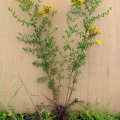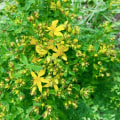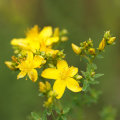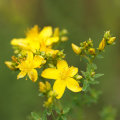
St. John's Wort, scientifically known as Hypericum perforatum, is a flowering plant that has been utilized for centuries in traditional medicine. Its bright yellow flowers and distinctive appearance have made it a recognizable herb in various cultures, particularly in Europe and North America. Historically, St.
John's Wort was used to treat a range of ailments, from wounds and burns to mood disorders. Its name is derived from its traditional harvest date, June 24th, which coincides with the feast day of St. John the Baptist.This herb has gained significant attention in recent years due to its potential benefits for mental health, particularly in alleviating symptoms of depression and anxiety. The active compounds found in St.
John's Wort, such as hypericin and hyperforin, are believed to play a crucial role in its therapeutic effects. These compounds interact with neurotransmitters in the brain, including serotonin, dopamine, and norepinephrine, which are essential for regulating mood and emotional well-being.As more individuals seek natural alternatives to conventional medications, the popularity of St. John's Wort has surged. Many people are turning to this herbal remedy not only for its historical significance but also for its potential efficacy in treating mild to moderate depression.
However, it is essential to approach this herb with caution, as it can interact with various medications and may not be suitable for everyone.In this article, we will delve deeper into the benefits of St. John's Wort on the brain, exploring its mechanisms of action and the scientific evidence supporting its use. By understanding what St. John's Wort is and how it works, readers can make informed decisions about incorporating this herbal remedy into their wellness routines.
The Chemical Composition of St.
John's WortSt. John's Wort, scientifically known as Hypericum perforatum, is renowned for its therapeutic properties, largely attributed to its unique chemical composition. The primary active compounds in this herb include hypericin and hyperforin , both of which play significant roles in its antidepressant effects.
Hypericin
is a polycyclic aromatic compound that has garnered attention for its ability to inhibit the reuptake of neurotransmitters such as serotonin, dopamine, and norepinephrine. This mechanism is crucial because it helps maintain elevated levels of these neurotransmitters in the brain, which are often deficient in individuals suffering from depression.
Additionally, hypericin possesses antioxidant properties that may protect neurons from oxidative stress, further contributing to its neuroprotective effects.
Hyperforin
, another key component, is a phloroglucinol derivative that also exhibits antidepressant activity. It enhances the release of serotonin and other neurotransmitters by inhibiting their reuptake. This action not only elevates mood but also improves overall cognitive function. Furthermore, hyperforin has been shown to have anti-inflammatory properties, which can be beneficial in reducing neuroinflammation associated with various mental health disorders.In addition to hypericin and hyperforin, St.
John's Wort contains a variety of other compounds that contribute to its therapeutic profile:
- Flavonoids: These compounds are known for their antioxidant effects and may help improve mood by modulating neurotransmitter activity.
- Tannins: Present in St. John's Wort, tannins can have astringent properties and may contribute to the herb's overall health benefits.
- Essential oils: These volatile compounds can influence mood and emotional well-being through their aromatic properties.
Mechanism of Action: How St.
John's Wort Affects the BrainSt. John's Wort, scientifically known as Hypericum perforatum, has garnered attention for its potential to influence brain chemistry, particularly in the context of mood regulation. Understanding how St. John's Wort works involves delving into its pharmacological mechanisms, which primarily revolve around its effects on neurotransmitter levels.One of the most significant ways that St.
John's Wort exerts its effects is through the inhibition of neurotransmitter reuptake. This herb has been shown to inhibit the reuptake of key neurotransmitters such as serotonin, dopamine, and norepinephrine. By preventing these neurotransmitters from being reabsorbed back into the neurons, St. John's Wort effectively increases their availability in the synaptic cleft, which can enhance mood and alleviate symptoms of depression.
Serotonin
is often referred to as the "feel-good" neurotransmitter due to its role in regulating mood, anxiety, and overall emotional well-being.
Studies suggest that St. John's Wort can elevate serotonin levels, similar to how many conventional antidepressants function. This increase in serotonin may contribute to improved mood and a reduction in feelings of sadness or hopelessness.
Dopamine
, another crucial neurotransmitter affected by St. John's Wort, plays a vital role in motivation, pleasure, and reward pathways in the brain.
By enhancing dopamine levels, this herb may help improve motivation and energy levels, which are often diminished in individuals suffering from depression.
Norepinephrine
is involved in the body's stress response and can affect attention and responding actions in the brain. The modulation of norepinephrine levels by St. John's Wort may help individuals better cope with stressors and improve focus and concentration.In addition to these primary mechanisms, St. John's Wort contains several active compounds, including hypericin and hyperforin, which are believed to contribute to its antidepressant effects.
Hyperforin, in particular, has been shown to have a significant impact on serotonin reuptake inhibition.Furthermore, research indicates that St. John's Wort may also exert anti-inflammatory effects within the brain, potentially protecting against neuroinflammation that can exacerbate mood disorders. This multifaceted approach—enhancing neurotransmitter availability while reducing inflammation—highlights the complexity of how St. John's Wort can positively influence brain function.In summary, the mechanisms by which St.
John's Wort affects the brain are primarily centered around its ability to modulate neurotransmitter levels, particularly serotonin, dopamine, and norepinephrine. By increasing the availability of these critical chemicals in the brain, this herb offers a natural alternative for those seeking relief from mood disorders.
Clinical Evidence: Efficacy of St. John's Wort in Treating Depression
Numerous clinical studies have investigated the efficacy of St. John's Wort as a treatment for mild to moderate depression, often comparing its effects to those of conventional antidepressants.The findings from these studies provide valuable insights into the potential benefits and limitations of this herbal remedy.One of the most notable studies was a meta-analysis published in the Journal of Affective Disorders, which reviewed 29 randomized controlled trials involving over 5,000 participants. This comprehensive analysis concluded that St. John's Wort was significantly more effective than a placebo in alleviating symptoms of depression. Furthermore, it demonstrated comparable efficacy to standard antidepressants, particularly in cases of mild to moderate depression.Another pivotal study conducted by the German Institute for Quality and Efficiency in Health Care (IQWiG) assessed the effectiveness of St.
John's Wort against conventional treatments. The results indicated that patients taking St. John's Wort experienced a reduction in depressive symptoms similar to those taking selective serotonin reuptake inhibitors (SSRIs). This finding is particularly significant given the side effect profiles associated with many prescription antidepressants.However, it is essential to note that not all studies have yielded positive results.
Some research has suggested that while St. John's Wort may be effective for certain individuals, it may not work for everyone. For instance, a study published in The American Journal of Psychiatry found that while St. John's Wort was beneficial for some patients, others did not experience significant improvements compared to those receiving placebo treatments.Moreover, the quality and standardization of St.
John's Wort products can vary widely, which may influence clinical outcomes. Many studies emphasize the importance of using high-quality extracts standardized to contain specific concentrations of hypericin and hyperforin, the active compounds believed to contribute to its antidepressant effects.In summary, while clinical evidence supports the use of St. John's Wort as an effective treatment for mild to moderate depression, it is crucial for individuals considering this option to consult healthcare professionals. This ensures they receive guidance on appropriate dosages and potential interactions with other medications.
Potential Benefits Beyond Depression
While St.John's Wort is widely recognized for its effectiveness in treating depression, its potential benefits extend beyond this primary use. Research has indicated that this herb may also play a significant role in alleviating symptoms of anxiety and other mood disorders, as well as offering neuroprotective properties.
St. John's Wort and Anxiety Relief
Anxiety disorders are among the most common mental health issues, affecting millions of individuals worldwide. Some studies suggest that St.John's Wort may help reduce anxiety symptoms, potentially due to its ability to modulate neurotransmitter levels in the brain. By increasing serotonin and dopamine levels, this herb may promote a sense of calm and well-being.In clinical trials, participants who took St. John's Wort reported lower levels of anxiety compared to those who received a placebo. This suggests that the herb could be a viable option for individuals seeking natural alternatives to conventional anti-anxiety medications.
Neuroprotective Properties
Beyond its mood-enhancing effects, St.John's Wort has been studied for its neuroprotective properties. Research indicates that the herb may help protect brain cells from damage caused by oxidative stress and inflammation. These protective effects are particularly important in the context of neurodegenerative diseases such as Alzheimer's and Parkinson's disease.Animal studies have shown that St. John's Wort can reduce neuronal cell death and improve cognitive function in models of neurodegeneration.
This suggests that it may not only help with mood disorders but also contribute to overall brain health.
Other Potential Benefits
- Anti-inflammatory Effects: St. John's Wort contains compounds that may reduce inflammation in the body, which is linked to various chronic conditions.
- Support for Seasonal Affective Disorder (SAD): Some evidence suggests that St. John's Wort may be effective in treating SAD, a type of depression that occurs at specific times of the year.
- Improved Sleep Quality: By alleviating anxiety and depressive symptoms, St. John's Wort may indirectly improve sleep quality, which is often disrupted in individuals with mood disorders.
John's Wort has been its antidepressant effects, emerging research highlights its potential benefits for anxiety relief and neuroprotection. As with any herbal remedy, it is essential to consult with a healthcare professional before incorporating it into your treatment plan to ensure safety and efficacy.
Risks and Side Effects of St. John's Wort
While St. John's Wort is often praised for its potential benefits in treating depression and other mood disorders, it is crucial to be aware of the risks and side effects associated with its use.Understanding these factors can help individuals make informed decisions about incorporating this herb into their wellness regimen.One of the primary concerns regarding St. John's Wort is its ability to interact with a variety of medications. This herb can significantly affect the metabolism of certain drugs, leading to either increased side effects or reduced effectiveness. For instance, it is known to induce the cytochrome P450 enzyme system, particularly CYP3A4, which plays a vital role in drug metabolism.
As a result, medications such as:
- Antidepressants (especially SSRIs and SNRIs)
- Oral contraceptives
- Blood thinners like warfarin
- Immunosuppressants , including cyclosporine
- Antiretrovirals used in HIV treatment
- Anticonvulsants
Commonly reported side effects include:
- Gastrointestinal issues, such as nausea and diarrhea
- Fatigue or drowsiness
- Dry mouth
- Dizziness or lightheadedness
- Increased sensitivity to sunlight, which can lead to skin rashes or sunburns
- Anxiety or agitation
- Allergic reactions, which may manifest as hives or difficulty breathing
- Mood swings or manic episodes, particularly in those with bipolar disorder
Guidelines for Safe Use of St. John's Wort
Using St.John's Wort can offer various benefits, particularly for those dealing with mild to moderate depression. However, to maximize its effectiveness and minimize potential risks, it is crucial to follow specific guidelines for safe use.
Consult a Healthcare Professional
Before starting any new supplement, including St. John's Wort, it is essential to consult with a healthcare professional. This is particularly important if you are currently taking other medications or have underlying health conditions.
A healthcare provider can help assess your individual situation and determine whether St. John's Wort is a suitable option for you.
Dosage Recommendations
The appropriate dosage of St. John's Wort can vary based on several factors, including the form of the herb (e.g., capsules, tinctures, teas) and the specific health condition being treated. Here are some general guidelines:
- Standardized Extracts: For standardized extracts containing 0.3% hypericin, a common dosage is typically between 300 mg to 900 mg per day, divided into two or three doses.
- Tinctures: If using tinctures, a common recommendation is 1 to 4 mL taken three times daily.
- Teas: For those preferring herbal teas, steeping 1 to 2 teaspoons of dried St.
John's Wort in hot water for about 10 minutes can be effective. Drinking this tea two to three times daily may provide benefits.
Avoiding Interactions
St. John's Wort is known to interact with various medications, including antidepressants, blood thinners, and certain cancer treatments. These interactions can either diminish the effectiveness of the medications or increase the risk of side effects.
Therefore, informing your healthcare provider about all medications and supplements you are taking is crucial.
Monitoring for Side Effects
While many people tolerate St. John's Wort well, some may experience side effects such as gastrointestinal upset, fatigue, or increased sensitivity to sunlight. If you notice any adverse reactions after starting St. John's Wort, it is advisable to discontinue use and consult your healthcare provider.
Conclusion
In summary, while St.
John's Wort can be beneficial for mental health support, adhering to safe usage guidelines is vital. By consulting with a healthcare professional and following recommended dosages, you can harness the potential benefits of this herb while minimizing risks.
Controversies and Misconceptions Surrounding St. John's Wort has been a subject of intense debate within the medical community, leading to various controversies and misconceptions about its efficacy and safety. Understanding these issues is crucial for anyone considering this herbal remedy.One of the primary controversies surrounding St.
John's Wort is its effectiveness compared to conventional antidepressants. While numerous studies suggest that it can be as effective as prescription medications for mild to moderate depression, some healthcare professionals remain skeptical. They argue that the quality of studies varies significantly, and many lack rigorous scientific standards. This inconsistency raises questions about the reliability of St.
John's Wort as a treatment option.Another significant concern is the potential for drug interactions. John's Wort is known to affect the metabolism of various medications, including antidepressants, anticoagulants, and birth control pills. This interaction can lead to reduced effectiveness of these drugs or increased side effects, which has led to warnings from health authorities. For instance, the U.
S. Food and Drug Administration (FDA) has issued advisories regarding its use alongside other medications, emphasizing the need for caution.Additionally, misconceptions about St. John's Wort often stem from its classification as a natural remedy. Many people assume that "natural" equates to "safe," which is not always the case.
Just because a substance is derived from plants does not mean it is free from side effects or risks. In fact, some users have reported adverse reactions, including gastrointestinal issues and allergic reactions.Furthermore, there is a prevailing myth that St. John's Wort can cure severe depression or other serious mental health disorders. While it may provide relief for some individuals with mild symptoms, it is not a substitute for professional treatment in cases of severe depression or bipolar disorder.
Misunderstanding this can lead individuals to delay seeking necessary medical help.In conclusion, while St. John's Wort offers potential benefits for certain individuals, it is essential to approach its use with a well-informed perspective. Consulting with a healthcare professional before starting any new treatment regimen is crucial to ensure safety and efficacy.
Conclusion: Weighing the Benefits and Risks of St. John's Wort
In summary, the exploration of St.John's Wort and its impact on brain health reveals a complex interplay of benefits and risks that must be carefully considered. This herb has garnered attention for its potential to alleviate symptoms of depression by acting as a natural antidepressant. Its ability to inhibit the reuptake of key neurotransmitters such as serotonin, dopamine, and norepinephrine positions it as a viable alternative for those seeking relief from mild to moderate depressive symptoms.However, while the benefits are noteworthy, it is crucial to approach St. John's Wort with caution.
The herb's interactions with various medications can lead to significant complications, particularly for individuals on prescribed treatments for chronic conditions. For instance, its effects on the pharmacokinetics of drugs like warfarin and immunosuppressants highlight the importance of consulting healthcare professionals before incorporating this herb into one’s regimen.Moreover, the potential exacerbation of symptoms in individuals with bipolar disorder or schizophrenia raises ethical considerations regarding its use in vulnerable populations. The controversy surrounding its efficacy and safety underscores the necessity for further research to clarify its mechanisms and establish standardized guidelines for use.Ultimately, informed decision-making is paramount when considering St. John's Wort as a treatment option.
Individuals should weigh the potential benefits against the risks, taking into account their unique health circumstances and existing medications. Engaging in open discussions with healthcare providers can facilitate a more comprehensive understanding of how this herb may fit into an overall treatment plan.In conclusion, while St. John's Wort offers promising benefits for brain health, it is essential to navigate its use with care and awareness. By prioritizing informed choices and professional guidance, individuals can better harness the potential advantages of this herbal remedy while minimizing associated risks.